
Choosing Tent Rentals for Outdoor Festivals in 2026
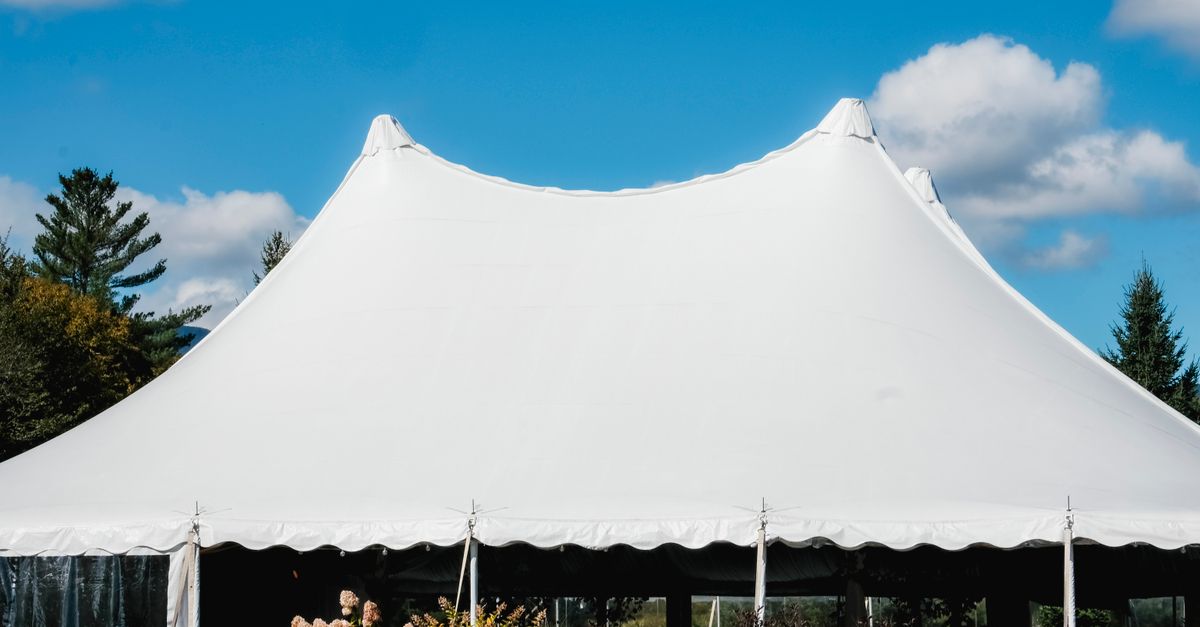
Planning an outdoor festival feels like assembling a giant jigsaw puzzle. Weather, crowd size, venue layout, and on‑time logistics all must balance against cost and quality. From backyard parties to multi‑day music festivals, the lesson is clear: the right tent rentals and seating solutions form the foundation of a smooth event.
Understand Your Event Needs
Before browsing catalogs, ask hard questions: How many people will attend? What activities need shelter—food stalls, stages, vendor booths? Do you require a central pavilion for speakers or a VIP area?
These answers dictate tent size and shape. A 100‑person gathering needs something different from a 2,000‑person festival. Overestimating capacity to “future proof” often yields oversized, expensive rentals that sit unused.
Also consider flow: How will guests move between stages, food zones, and rest areas? Planning tent layout reduces congestion and improves safety. Remember, a tent isn’t just shelter; it can serve as a stage backdrop, photo booth, or temporary lounge.
Checklist for Event Size & Activity Planning
- Estimate headcount (peak vs average)
- Identify key activity zones (stage, food, merch, rest)
- Map guest flow and potential bottlenecks
- Select tent functions (pavilion, canopies, modular units)
- Factor in weather contingencies (wind, rain, heat)
This pre‑planning stage saves time when choosing tents, seating, and coordinating with vendors.
Types of Tents for Outdoor Events
Tents vary by shape and material. For festivals, the main categories are:
- Pavilion (A‑frame): Classic “grandstand” look, ideal for stages or central gatherings.
- Canopy (B‑frame): Flexible, easy to set up; great for vendor booths and food stalls.
- Glide‑Roof: Modern design with high ceilings for large crowds needing ventilation.
- Modular Units: Pods or pods + pillars that combine into larger structures.
- Inflatable Tents: Fast installation, lightweight, but less durable in extreme weather.
Material matters: PVC‑coated canvas offers water resistance and is lighter than canvas; polyester provides UV protection. For high foot traffic, reinforced poles withstand weight and wind.
Hybrid Tents and Custom Features
Many rentals now offer hybrid units that blend A‑frame strength with B‑frame flexibility. These often include built‑in sidewalls, retractable awnings for shade, or integrated LED strips programmable to match brand colors. For nighttime festivals, choose tents that support easy power hookups for lighting and audio.
Choosing the Right Tent Size: Square Footage vs Occupancy
Square footage alone can mislead. A 30 ft × 40 ft pavilion may hold 300 people standing, but with folding chairs, stage set‑up, and aisles, capacity drops to ~200. Use a density rule of 10–12 sq ft per person for standing crowds and 15–20 sq ft when seating.
Key Factors When Renting Tents
Once the type is clear, evaluate these practical aspects:
- Size & Capacity: Measure footprint; a 20 ft × 30 ft tent accommodates ~200 people in standard layout.
- Ventilation: Look for vents or mesh panels to keep air moving.
- Weather Protection: Check rain rating (“3‑day” vs “5‑day”) and ask about guy lines for windy sites.
- Setup & Teardown Time: Some tents need 4–6 hours of crew labor; others assemble in an hour with a small team.
- Insurance & Liability: Confirm the rental company carries adequate coverage for structural failures or property damage.
- Reputation & Reviews: Read vendor ratings and ask for references from past festivals.
Neglecting any of these can lead to costly upgrades or safety issues. The biggest surprise often is a wind gust that forces an early teardown if guy lines aren’t secure.
Ventilation & Lighting Considerations
Daytime events may rely on natural airflow, but evenings and hot climates benefit from side‑vent panels or exhaust fans. Verify the tent can support hanging rigs or LED strips without compromising safety. Some vendors offer a “lighting kit” add‑on with dimmers, power boards, and mounting hardware.
Outdoor Seating Solutions: Options and Tips
Seating impacts comfort, crowd control, accessibility, and branding. Common solutions:
- Folding Chairs: Lightweight, inexpensive for large audiences.
- Bench Seating: Durable, great for long events; arrange in a semicircle to face the stage.
- Lounge Areas: Bean bags or modular sofas create informal gathering spots and photo props.
- Stool & Platform Combos: For VIP areas or backstage access.
- Custom Branding Seating: Chairs with your logo or color scheme for cohesion.
Match style to the tent’s aesthetics. Provide at least one wheelchair‑accessible chair per 20 people.
Seating Placement Best Practices
- Position seats in a semi‑circle for optimal view.
- Leave buffer zones between rows for emergency egress.
- Use signage to indicate “no entry” or “keep right” zones.
- Place high‑traffic areas (food, restrooms) near exits.
A well‑planned layout improves experience and reduces overcrowding risk.
Modular Seating & Comfort Enhancements
With a bigger budget, modular units with cushions or weather‑proof covers elevate comfort. Many vendors offer “lounge pods” that combine seat and small table—ideal for food stalls. For VIP sections, padded armchairs or low‑profile sofas provide luxury and easy stage access.
Event Coordinator Rentals: What to Expect
Hiring a coordinator can be transformative. They handle site surveys, logistics, permits, and cleanup.
- Site Survey & Planning: Assess wind patterns, ground stability, and utility access.
- Permitting Assistance: Navigate local regulations.
- Setup Crew: Experienced installers reduce downtime and ensure safety.
- Logistics Management: Coordinate vendor arrivals, material delivery, and breakdown schedules.
- Post‑Event Cleanup: Handle teardown and site restoration to avoid penalties.
Costs vary: a full‑service coordinator may charge $2–$5 per minute of event time. For smaller festivals, negotiate a flat fee for setup and teardown only.
Negotiating Your Coordinator Contract
Review scope, liability limits, and cancellation policies closely. Ask if the team includes insurance coverage for on‑site accidents or equipment damage. A clear deliverable list—e.g., “30 ft wind lines installed by 10 am” or “stage lighting tested by noon”—helps avoid misunderstandings.
Party Rental Consultations: How to Work With Vendors
Clear communication is key. Approach consultations with these steps:
- Define Scope Early: Provide a detailed brief—tent types, seating counts, event dates, and special requirements.
- Request Detailed Quotes: Break down costs per item, labor hours, insurance, and delivery fees.
- Ask for a Site Visit: Seeing the venue helps vendors propose realistic layouts.
- Review Contracts Thoroughly: Look for clauses on cancellation penalties, weather changes, and liability limits.
- Set Up a Timeline: Agree on delivery, setup, event day, and teardown dates with buffer time.
Vendors who provide clear, itemized contracts reduce hidden fees. Keep copies of all correspondence.
Common Mistakes and How to Avoid Them
Even seasoned planners stumble on these pitfalls:
- Underestimating Wind Speed: A 30‑ft tent can fail if not properly guyed for wind over 15 mph.
- Ignoring Ground Conditions: Soft soil requires extra stakes or ground plates to prevent sinking.
- Overlooking Permits: Local authorities may require permits for structures, especially those exceeding a certain height.
- Failing to Plan for Power Needs: Stage lighting and audio can demand 30‑kW; plan generators or utility hookups accordingly.
- Choosing Cheap Tents Without Warranty: Low cost often means inferior poles that buckle under load.
Avoid these by conducting a pre‑event risk assessment and consulting vendors about best practices for your site.
Case Study: A Successful Festival Setup – Personal Experience
During the 2025 Desert Bloom Music Festival, I managed tent rentals for 3,500 attendees. We chose glide‑roof pavilions for the main stage and canopy pods for vendor booths. Folding chairs arranged in semi‑circles surrounded each pod; lounge areas at the back offered chill zones. A local coordinator conducted a site survey two weeks before the event, securing all wind lines. The result? Zero structural failures, smooth traffic flow, and rave reviews about comfortable seating and clear sightlines.That festival showed detailed planning and reliable vendors are non‑negotiable for large outdoor events.
Lessons Learned & Action Plan
From that experience I distilled three actionable steps:
- Run a Dry‑Run Simulation: Map tent placements on a digital floor plan to anticipate airflow and sightlines.
- Allocate a Wind‑Reserve Budget: Set aside 10–15% of the tent budget for extra guy lines or heavier poles if wind forecasts change.
- Create a “Contingency Checklist”: Include spare stakes, canvas panels, and backup generators for last‑minute adjustments.
Implementing these steps cut setup time by 20% and eliminated emergency repairs on event day.
Budget Planning and ROI for Rental Services
A well‑budgeted strategy maximizes return on investment. Typical line items:
- Tent Cost: $200–$500 per day per unit, depending on size.
- Seating Cost: $1.50–$5 per chair for a 3‑day rental.
- Coordinator Fee: $2–$5 per minute of event time.
- Insurance & Permits: Allocate 10–15% of total rental cost.
- Contingency Fund: Set aside 5–8% for unexpected weather or equipment failure.
Track each item in a spreadsheet and compare against projected revenue from ticket sales, sponsorships, and vendor fees. A $10,000 rental package that boosts attendee satisfaction can translate into repeat customers and higher ticket prices.
Key Takeaway
Choosing the right tent rentals, seating solutions, and coordination services is a strategic investment that directly influences safety, attendee experience, and revenue.Align your event goals with practical vendor choices to reduce risk and create an environment where guests can focus on enjoying the festival, not logistics.
What are the biggest challenges you’ve faced when renting tents or seating for outdoor events?


