
How can I compare event chandelier rentals, portable stage rentals, and other specialty items for my next event?
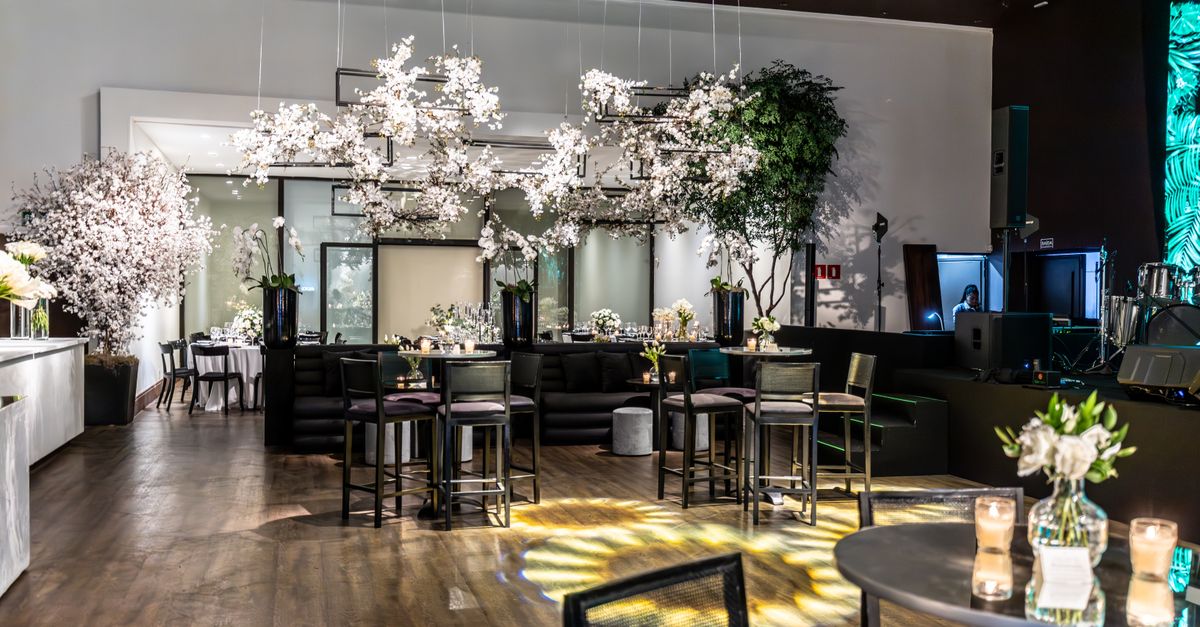
I’ve spent more than a decade helping businesses scale by choosing the right tools. When it comes to events, selecting the proper special event rentals—whether you’re looking at affordable party supplies, event furniture, chandeliers or portable stages—has a direct impact on guest experience and budget. Below is a practical guide that walks through each step of evaluating, comparing, and booking these items.
Understanding Your Event Needs
The foundation for any rental decision starts with a clear picture of the event’s purpose, size, and desired atmosphere. Ask yourself: Is this a corporate gala, a wedding reception, or a community fundraiser? The answers dictate which rental categories carry the most weight.
Define the Purpose and Scale
Large‑scale events (500+ guests) typically require multiple furniture sets, lighting rigs, and staging solutions. Smaller gatherings (under 200 guests) can often get away with a few key pieces—like a single chandelier or a compact stage—paired with budget‑friendly party supplies. In addition, consider the event’s duration: a multi‑day conference may need more durable, reusable furniture than a one‑night celebration.
Identify Core Rental Items
Make a list of the essential categories: Special event rentals, affordable party supplies, event furniture, event chandelier rentals, portable stage rentals. Prioritize them based on the event’s theme and functional needs. This prevents overcommitting to items that add little value. For instance, if you’re hosting a tech conference, you might focus more on modular stages and AV equipment than on ornate chandeliers.
Evaluating Cost vs. Value for Affordable Party Supplies
Avoid overspending by distinguishing between price and quality. Cheap supplies may look good initially but can break or leave a negative impression.
Price Comparison Strategies
- Request detailed quotes from at least three vendors.
- Compare unit costs, delivery fees, and setup charges separately.
- Ask for bundled packages that include cleaning or maintenance services.
- Check if the vendor offers a “no‑damage” guarantee; this can save you from unexpected repair costs.
Quality Indicators for Budget Rentals
- Material durability (e.g., tempered glass vs. acrylic).
- Warranty coverage on damage or loss.
- Vendor reputation—read reviews and ask for past event references.
- Ease of assembly; some party supplies can be set up by staff, reducing labor costs.
In my experience, vendors who provide transparent pricing and clear terms usually deliver smoother service during the event.
Choosing Event Furniture That Fits Style and Function
Types of Event Furniture
- Couches & Sofas: Ideal for lounge areas; choose low‑profile models to maximize space. Look for cushions that can be removed and washed if the event is outdoors.
- Tables: Round tables create intimacy, while rectangular ones optimize seating density. Consider stackable options for quick removal after the event.
- Chairs: Upholstered chairs add comfort; hard‑shell options reduce setup time and are easier to clean.
- Accent Pieces: Ottomans or side tables can break up large areas and encourage conversation. Portable coffee tables allow guests to move freely without breaking the layout.
Match the furniture’s aesthetic to your event’s theme—modern, rustic, or classic—and factor in accessibility requirements such as wheelchair ramps or ADA‑compliant seating. For example, a corporate banquet may call for sleek, modular seating that can be rearranged to accommodate breakout sessions.
Renting Event Chandeliers: Light, Luxury, and Logistics
Chandeliers are a visual focal point but come with unique logistical demands. Below is a checklist that covers everything from size to safety.
Key Factors to Consider
- Weight and Ceiling Height: Verify ceiling load capacity; heavy chandeliers need reinforced support. If the venue has low ceilings, look for slim or “floor‑standing” alternatives.
- Electrical Requirements: Confirm voltage compatibility and whether the rental includes a dedicated circuit. Some chandeliers may require 120 V split circuits to avoid overloading.
- Installation Time: Some fixtures require professional installers, which adds cost. Check if the vendor provides an on‑site crew or if you need to hire external electricians.
- Lighting Effects: Choose between LED for energy efficiency or incandescent for warm ambiance. Consider dimmable options if you plan a cocktail hour followed by dinner.
- Maintenance: Ask if cleaning is included; dusty crystals can diminish visual impact. Some vendors offer on‑site polishing services during multi‑day events.
- Safety Certifications: Ensure the chandelier meets local fire codes and has UL or CE labeling for electrical safety.
In my experience, booking a chandelier that matches the event’s scale saves both money and stress. Over‑decorated spaces often feel cramped and underwhelming.
Portable Stage Rentals: Mobility Meets Performance
Whether for speeches, live music, or photo booths, portable stages offer flexibility. The decision hinges on build complexity and audience flow.
Build vs. Ready‑Made Options
- Modular Stages: Easy to assemble in multiple configurations; good for multi‑use events. They often come with interchangeable panels that can be customized for stage width or height.
- Pre‑assembled Platforms: Fewer setup steps but less adaptable to changing layouts. Ideal when the venue layout is fixed and you need a quick turnaround.
- Load Capacity: Ensure the stage can support performers, equipment, and audience weight. A typical 4×8 foot platform should handle up to 500 lbs per square foot for safety.
- Flooring Materials: Non‑slip surfaces are critical for safety during performances. Some stages come with rubberized mats that also help reduce noise.
The most common mistake is underestimating the space required for both the stage and surrounding movement. Allocate at least 30% of the event area to stage‑related traffic, which includes walkways, podiums, and audience seating. For a banquet hall with a capacity of 300 guests, this means reserving roughly 1,200 sq ft for the stage area and its circulation.
Common Mistakes in Special Event Rentals and How to Avoid Them
Even seasoned planners make errors that inflate costs or compromise safety.
Overbooking, Underestimating Space, and Ignoring Delivery Constraints
- Overbooking: Renting more furniture than needed leads to clutter and higher fees. Use a floor plan template to visualize each piece before confirming the order.
- Underestimating Space: Misreading venue dimensions can cause layout clashes. Measure hall width, height, and any architectural features like columns or alcoves that might limit placement.
- Ignoring Delivery Constraints: Some venues restrict delivery times or require special access codes. Verify the venue’s delivery window and parking lot size; schedule deliveries early in the day to avoid rush fees.
Failing to Read the Fine Print on Rental Agreements
Always scrutinize clauses related to damage, late pickup, and cancellation. Hidden fees can erode a carefully planned budget. For instance, some contracts charge a flat fee for “late pick‑up” if the items are not returned within 30 minutes of the agreed time.
Building a Rental Budget That Stays on Track
A disciplined budgeting process keeps costs predictable and avoids last‑minute overruns.
Cost Allocation per Category
- Event Furniture: 35% of total rental budget.
- Lighting & Chandeliers: 20%.
- Stage Rentals: 15%.
- Party Supplies (tables, linens, décor): 10%.
- Miscellaneous (delivery, setup, cleanup): 20%.
Allocate a contingency buffer—typically 5–8% of the total—to cover unexpected expenses such as last‑minute design changes or additional cleaning services. For example, if your total rental budget is $10,000, set aside at least $500 to $800 for contingencies.
Tracking and Reconciliation
Use a simple spreadsheet or event management software to record invoices, payment deadlines, and vendor correspondence. Regularly compare actual spend against projections, ideally on a weekly basis during the planning phase. This practice highlights any emerging trends that might require adjustment, such as a rising cost for lighting rentals due to seasonal demand.
In my experience, having a clear visual map of the venue with marked rental locations reduces confusion during setup. I often sketch a scaled floor plan and label each item’s position in advance; this step saves hours on the day of the event.Key Takeaway
Choosing the right special event rentals—especially affordable party supplies, chandeliers, and portable stages—requires balancing cost, quality, and logistical feasibility. Start by defining your event’s purpose, then systematically evaluate each category against a set of practical criteria.Ask a practical question that invites useful discussion.
What is the most critical factor you consider when selecting event furniture for a large corporate gathering?


