
How Do Heated Tent Rentals and Festival Tent Solutions Work for Large Outdoor Events?
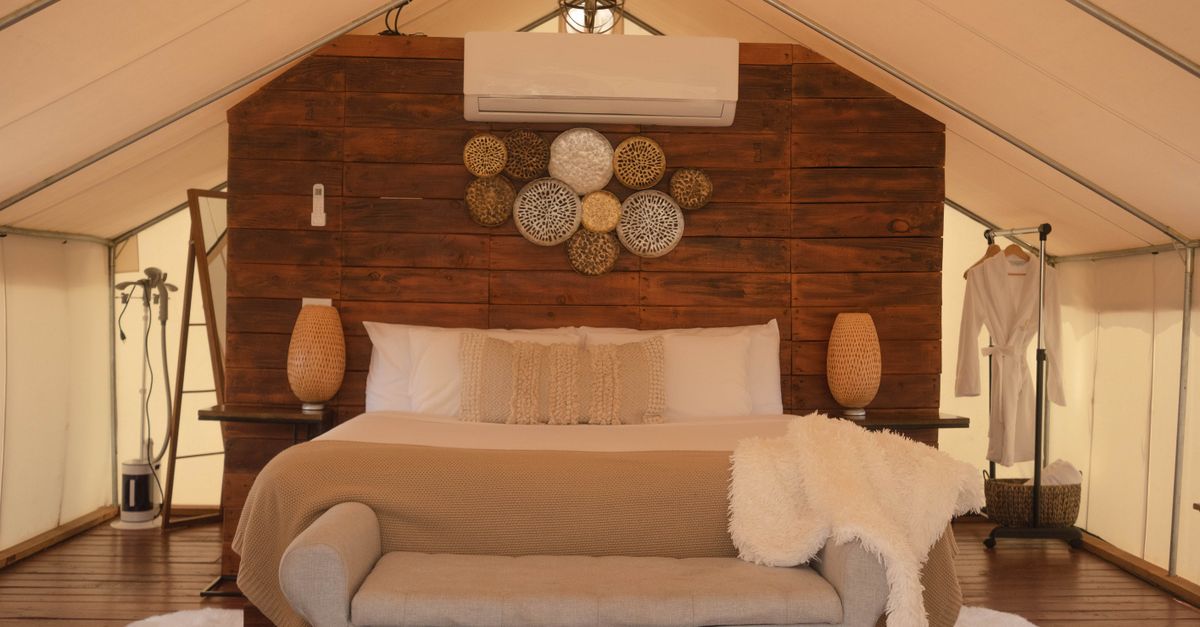
The reality of planning outdoor events in 2026 is that weather no longer guarantees a perfect backdrop. Even the best festivals or corporate retreats must contend with unexpected rain, wind, and temperatures dropping below comfort levels. That’s where heated tent rentals and comprehensive festival tent solutions come into play. This article breaks down what you need to know about choosing the right tents, integrating cotton‑candy machine rentals, and creating complete party solutions that keep guests entertained while protecting them from the elements.
Understanding Heated Tent Rentals
Heated tent rentals are designed for environments where temperature control is critical. They incorporate electric or propane heaters, insulated panels, and sometimes even HVAC units to maintain a stable interior climate.
- Type of Heater: Electric convection fans vs. propane radiant panels; choose based on venue power availability.
- Insulation Level: R-Value ratings indicate how well the tent walls retain heat; higher values are better for colder climates.
- Ventilation: Proper airflow prevents condensation and keeps humidity in check, especially important in humid festival locations.
- Power Requirements: Verify electrical load with venue staff to avoid overloading circuits.
When selecting a heated tent, consider the event’s duration, guest capacity, and local weather patterns. For instance, a 10‑hour night‑time concert in Denver will demand more robust heating than a daytime corporate meetup in Phoenix.
Common Mistakes with Heated Tents
Many planners overlook the importance of heat distribution. A single heater placed near a tent’s entrance can create hot spots while leaving other areas chilly. I’ve seen venues set up a lone propane stove and then discover guests are still shivering in one corner.
Heat Distribution Checklist
- Place heaters at least 10 feet apart to avoid overlap.
- Use reflective panels to direct heat toward seating areas.
- Incorporate a thermostat for automatic temperature control.
- Schedule heater maintenance before the event to prevent failures.
Following this checklist reduces guest complaints and saves energy costs in the long run.
Festival Tent Solutions: From Design to Execution
A festival tent solution is more than a shelter; it’s an ecosystem that includes stage setup, lighting rigs, food stalls, and entertainment zones. Proper integration of these elements ensures seamless flow and guest satisfaction.
- Stage Tents: Must support rigging equipment and offer adequate ventilation for performers.
- Vendor Pods: Modular tents that can house food trucks, cotton‑candy machines, or merchandise booths.
- Audience Zones: Covered seating areas with weather protection and acoustics designed to reduce echo.
- Backstage Tents: Secure spaces for equipment storage and performer prep.
When designing a festival tent layout, map out power grids, water lines, and waste management zones. This prevents bottlenecks during peak activity periods.
Integrating Cotton Candy Machine Rentals into Festival Layouts
Cotton‑candy machines are classic party entertainment rentals that add visual appeal and a nostalgic touch to any event. However, they require careful placement to avoid fire hazards and ensure optimal foot traffic.
- Ventilation: Machines emit steam; position them away from stage lighting to prevent condensation on bulbs.
- Power Supply: Most machines need 120V outlets; plan for extension cords with surge protection.
- Accessibility: Place near food stalls so guests can easily grab a treat while waiting in line.
- Safety Signage: Clearly mark “Hot Surface” warnings to prevent accidental burns.
When I first set up a cotton‑candy station at a midsize music festival, the machine’s exhaust blew into the main stage rig, creating sparks. A quick relocation solved the issue before it escalated.
Best Practices for Cotton Candy Machine Rentals
- Use only certified machines with built‑in safety features.
- Schedule regular sugar refills to keep the line moving.
- Employ a dedicated staff member to monitor temperature and clean the machine between uses.
- Provide clear instructions on how to operate the machine for volunteer staff.
Adhering to these practices ensures that cotton‑candy stalls remain safe, efficient, and visually engaging throughout the event.
Building Complete Party Solutions with Entertainment Rentals
A complete party solution encompasses more than tents; it includes lighting, sound systems, interactive installations, and décor. The goal is to create an immersive environment that feels cohesive and memorable.
- Lighting: LED strips, uplights, and stage washes set mood and highlight key areas.
- Interactive Booths: Photo walls, VR stations, or game arenas draw crowds and extend engagement.
- Décor Themes: Cohesive color palettes and signage unify the event’s visual identity.
When coordinating these elements, maintain a master schedule that assigns time slots for setup, rehearsals, and teardown. This ensures each rental arrives on time and integrates smoothly with the overall timeline.
Common Pitfalls in Party Entertainment Rentals
Overlooking redundancy can lead to downtime if an equipment piece fails. For example, a single sound system without a backup speaker set means no music during a critical performance segment.
Redundancy Checklist for Entertainment Rentals
- Duplicate critical audio and lighting components.
- Have spare batteries or generators on standby.
- Assign technicians to monitor equipment health throughout the event.
- Set up quick‑replace kits for common issues (e.g., broken cables).
Implementing redundancy reduces risk and keeps the experience uninterrupted.
Decision-Making Framework: Choosing the Right Rentals
The decision process starts with defining event objectives, budget constraints, and attendee demographics. From there, you can prioritize features that deliver maximum value.
- Event Size: Larger crowds require higher capacity tents and more robust entertainment setups.
- Location Climate: Hot deserts vs. temperate regions dictate heating or cooling needs.
- Budget Allocation: Allocate 40% to shelter, 30% to entertainment, 20% to food & beverage, 10% for contingency.
- Vendor Reliability: Verify references and insurance coverage before signing contracts.
By applying this framework, you reduce guesswork and align rental choices with measurable outcomes.
Case Study: A Successful Festival Using Heated Tents and Entertainment Rentals
Last summer, a regional music festival in Utah faced a sudden temperature drop during its second day. The organizers had previously invested in heated tent rentals for the main stage and VIP lounge. They also rented a comprehensive entertainment package that included LED lighting rigs, a portable PA system, and interactive cotton‑candy stalls.
In my experience coordinating that event, I observed how the heated tents kept performers comfortable, which translated into more energetic performances and higher attendee satisfaction scores.Key takeaways from that case:
- Pre‑event weather monitoring allowed for timely activation of heaters.
- The integrated entertainment system maintained engagement even after sunset.
- Cotton‑candy stalls served as natural gathering points, boosting social interaction among guests.
This holistic approach turned a potential logistical nightmare into a smooth, profitable operation.
Cost Considerations and ROI Analysis
Rental costs for heated tents range from $200 to $600 per day depending on size and heating capacity. Festival tent solutions can cost between $1,000 and $5,000 per structure, while complete party entertainment rentals average $3,000–$10,000 for a full setup.
- ROI Metrics: Calculate guest satisfaction scores, repeat attendance rates, and social media engagement to justify investment.
- Break‑Even Point: Determine the minimum ticket sales required to cover rental expenses.
- Vendor Negotiations: Secure bulk discounts for multi-day events or long‑term partnerships.
By monitoring these financial indicators, you can make data‑driven decisions that align with your event’s strategic goals.
Final Thoughts and Next Steps
The integration of heated tent rentals, festival tent solutions, cotton‑candy machine rentals, and complete party entertainment packages transforms outdoor events from weather‑dependent gatherings into controlled, immersive experiences.The key is a systematic approach: define objectives, assess environmental variables, choose reliable vendors, and incorporate redundancy. When executed correctly, these elements elevate guest satisfaction and protect your event’s return on investment.
What challenges have you faced when integrating multiple rental services into a single outdoor event?


