
How do I choose the right backyard party rental package for my event?
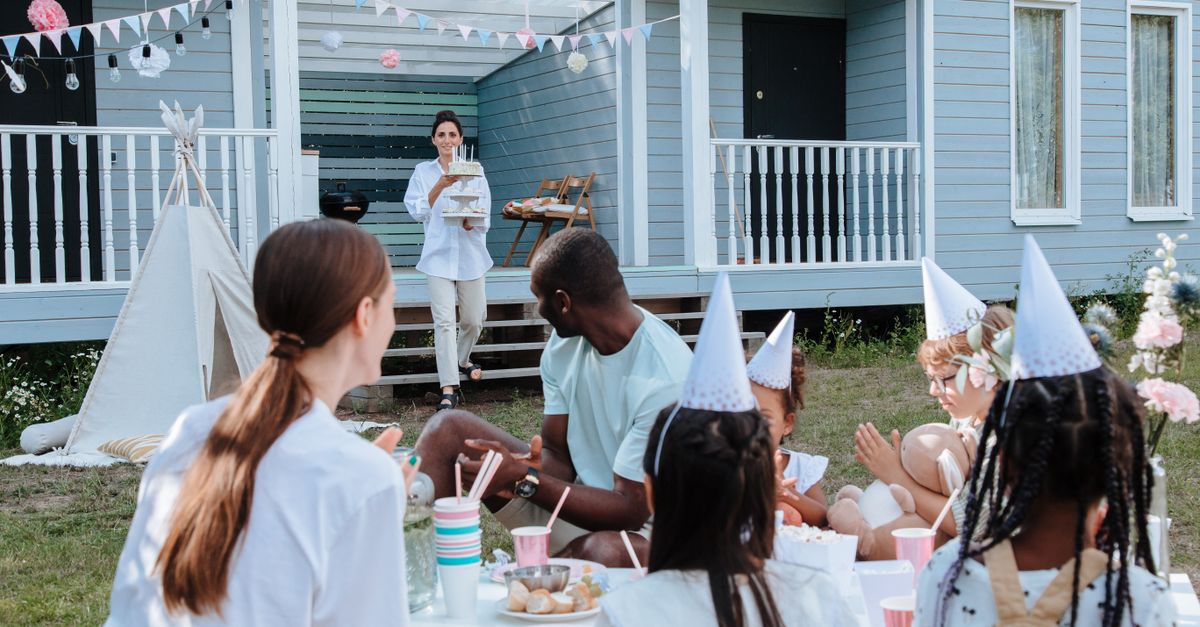
Planning a backyard celebration often feels like juggling a dozen moving parts: space, weather, lighting, décor, and guests. If you’re looking to rent tents, lighting, or other party supplies without the headache of DIY setup, this guide will walk you through every step—from evaluating your venue to finalizing a budget.
1. Evaluate Your Backyard Space
The first decision that shapes every rental choice is how much usable space you have. Even the best tent can feel cramped if the yard isn’t measured properly.
Key Factors for Space Planning
- Square footage: Measure the longest wall and width; subtract any obstacles like trees or driveways.
- Height clearance: Tents with high poles need at least 12–14 ft of vertical space to avoid sagging.
- Guest count: A typical party tent holds about 6.5 guests per square foot; add extra for furniture and circulation.
- Permits: Some municipalities require a permit if you exceed a certain size or use electrical equipment.
- Accessibility: Ensure there are clear paths for guests, especially if you plan to serve food or have a dance floor.
By answering these questions early, you reduce the risk of ordering an oversized tent that will cost extra and a cramped setup that will make guests feel claustrophobic. It also helps to sketch your layout on graph paper or use a smartphone app that calculates area; this visual aid can quickly show if a 10‑by‑20 foot tent is sufficient for a 60‑guest gathering.
2. Pick the Right Event Lighting Rental
Lighting isn’t just about visibility; it sets mood, highlights décor, and can even serve as functional illumination for food stations or dance areas.
Essential Lighting Types to Consider
- LED strip lights: Flexible, energy‑efficient, great for outlining furniture or pathways.
- Uplights: Cast a colored wash from the ground upward; ideal for creating dramatic backdrops.
- Rope lights: Perfect for tents or pergolas—easy to wrap and conceal.
- Spotlights: Focus on key features like a stage, cake table, or centerpiece.
- Dimmers & controllers: Give you the ability to adjust brightness for different times of day.
When I rented lighting for a 20‑guest backyard wedding last year, the dimmer switch made all the difference between a bright, sterile look and an intimate, cozy glow. Consider also the color temperature—warm white lights create a relaxed atmosphere, while cool white can keep energy levels high during evening dances.
3. Accessorize Your Tent for Comfort & Style
A tent is just the framework; accessories turn it into a functional space that feels like home.
Tent Accessories That Make a Difference
- Flooring panels: Protect against dampness and give guests a clean surface to walk on.
- Canvas or tarpaulin liners: Add a layer of weather protection, especially for rain showers.
- Tie‑down stakes & anchors: Secure the tent in windy conditions.
- Lighting kits: Pre‑wired LED modules that integrate with your main lighting plan.
- Decorative drapes or awnings: Create separate zones—like a lounge area vs. dance floor.
Choosing the right accessories reduces setup time and ensures guests feel comfortable, no matter the weather. For instance, interlocking vinyl flooring panels can be installed in minutes, while heavy canvas liners help keep rain off the event table even if clouds roll in unexpectedly.
4. Build a Professional Party Setup Workflow
A clear workflow keeps you organized from booking to breakdown.
Steps for an Efficient Setup Process
- Create an inventory list: Itemize every rental and supply with delivery dates.
- Assign roles: Designate a crew lead, setup specialist, and safety officer.
- Set a timeline: Map out key milestones—delivery, assembly, lighting test, final checks.
- Conduct safety inspections: Verify electrical connections, tent anchoring, and fire exits.
- Plan for cleanup: Schedule a teardown crew to handle waste removal and equipment return.
When I led the setup for a corporate retreat, having a written timeline cut our prep time by 30 % and kept everyone on the same page. A backup power plan—such as an extra generator or battery packs—can also save the day if your primary supply fails during the event.
5. Avoid Common Mistakes with Rentals
Even seasoned hosts stumble over these pitfalls.
Top Six Mistakes & How to Prevent Them
- Underestimating space: Always double‑check measurements and add a buffer zone.
- Ignoring local permits: Check city regulations early; missing a permit can delay or cancel the event.
- Overlooking power needs: Verify that your rental company provides generators if required.
- Poor lighting placement: Test lights before guests arrive to avoid glare or shadows.
- Lack of backup plans: Have a contingency tent or indoor location in case of bad weather.
- Skipping safety checks: Don’t assume the rental company handled everything—verify anchoring and electrical safety yourself.
A quick audit before the event can save you from last‑minute scrambles and costly fixes. For example, confirming that all extension cords are rated for outdoor use helps prevent fire hazards during a nighttime party.
6. Budgeting for Rentals & Supplies
Knowing the cost structure helps you allocate funds without compromising quality.
Typical Cost Ranges (per item)
- Tent rental: $200–$800 per day, depending on size and type.
- Lighting kit: $50–$250 per set; larger events may need multiple units.
- Flooring panels: $5–$15 per square foot.
- Decor accessories (drapes, banners): $30–$120 each.
- Equipment delivery & setup: 10–20 % of total rental cost.
- Cleanup crew: $50–$100 per hour.
For a 60‑guest backyard celebration, a realistic budget would hover around $2,500–$3,500, covering tents, lighting, flooring, décor, and labor. Remember to ask for a detailed quote that includes any potential surcharge—such as delivery over a certain distance or late‑night service—to avoid surprises.
7. Final Checklist Before the Event
Use this checklist to confirm that every detail is in place before guests arrive.
Pre‑Event Confirmation List
- Delivery confirmation: Verify arrival time with the rental company.
- Setup crew brief: Ensure everyone knows their role and timeline.
- Electrical safety test: Check all outlets, generators, and connections.
- Lighting demo: Run a full lighting sequence to spot issues.
- Flooring inspection: Confirm no gaps or loose panels.
- Guest flow plan: Mark entry/exit points and service stations.
- Emergency contacts: Have numbers for vendors, local police, and medical services.
- Cleanup schedule: Coordinate teardown timing with the rental company’s return policy.
- Weather forecast check: Stay updated on humidity or chance of rain to adjust tent setup accordingly.
Crossing off each item gives you peace of mind that your backyard party will run smoothly and that you’re prepared for any last‑minute adjustments.
The most critical factor in a successful backyard event is accurate space planning—measure once, double‑check, and then choose the right tent size and accessories to fit. In my experience, setting up a 30‑guest birthday party with a rented tent and LED lighting took only three hours when I followed a detailed timeline and had a dedicated crew lead. By assigning each team member a specific task—one focused on anchoring the poles while another handled the flooring—I was able to finish ahead of schedule, giving us extra time for a final walkthrough before guests arrived. What’s the biggest challenge you’ve faced when renting backyard party supplies?


