
How to Choose the Right Rustic Wedding Decor Rental for Your 2026 Celebration?
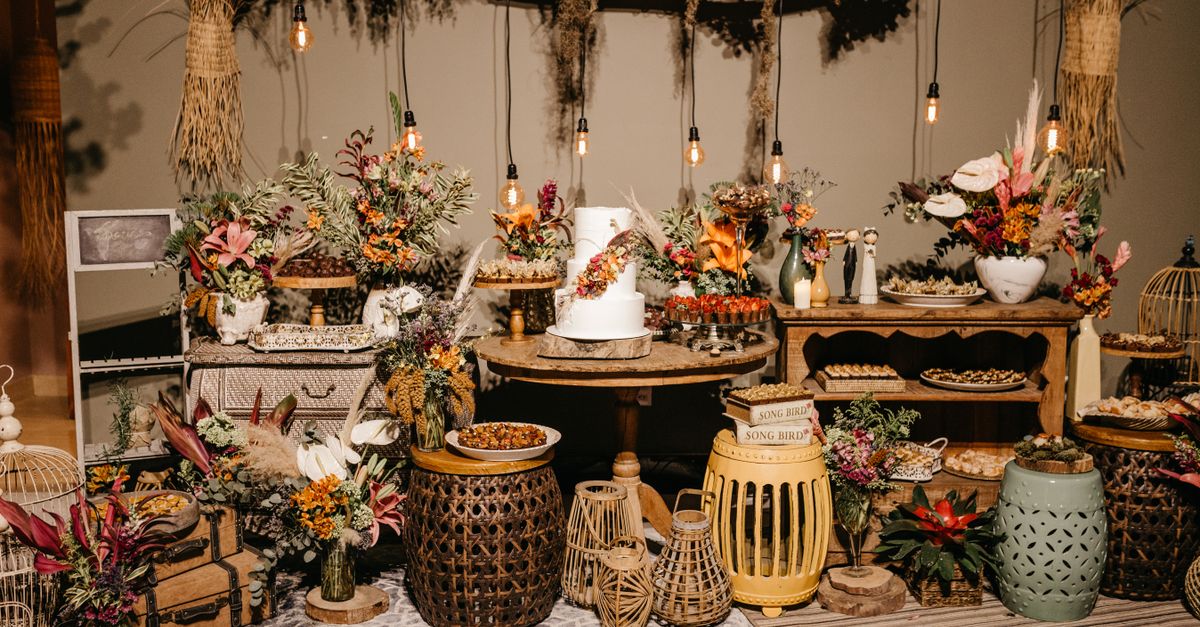
I’ve spent more than a decade turning ideas into tangible experiences, from tech startups to large-scale events. When my wife Ashley and I started planning our own wedding in late 2025, we quickly realized that the key to a memorable celebration is not just the venue or catering—it’s the atmosphere created by decor, inflatables, games, and supplies. This article distills the practical steps I followed to secure the best rustic wedding decor rental, integrate party decorations with inflatable rentals, select engaging party game rentals, set up an efficient supply chain, and keep costs under control—all while keeping the event cohesive and on brand.
1. Vetting Rustic Wedding Decor Rental Vendors
Choosing a vendor that understands rustic aesthetics and can deliver on time is critical. I followed a structured evaluation process that you can replicate in 2026 or beyond.
Key Criteria for Selecting a Vendor
- Portfolio Depth: Look for a gallery of past events that showcases variety—wooden arches, burlap drapes, mason jar centerpieces, and reclaimed‑metal signage.
- Customizability: The ability to tailor pieces (e.g., adding LED lighting or personalized plaques) can elevate the theme without breaking your budget.
- Reliability & Communication: A vendor who responds within 24 hrs and offers a clear timeline is less likely to cause last‑minute headaches.
- Quality of Materials: Rustic doesn’t mean cheap. Check for durable wood finishes, high‑grade fabrics, and sturdy hardware that can withstand transport.
- Rental Package Transparency: Ensure the contract lists delivery, pickup, setup fees, insurance, and any extra charges (e.g., late return).
- Reviews & References: Read recent client testimonials or request references for firsthand feedback on service quality.
- Sustainability Practices: Many couples now prioritize vendors who use reclaimed or locally sourced woods to reduce their carbon footprint. Ask if the vendor has any green certifications or a recycling policy for end‑of‑life items.
After reviewing over 12 vendors, I narrowed the list to three that met these criteria. A face‑to‑face meeting and a walkthrough of their warehouse were decisive—seeing the items in person confirmed that they lived up to their claims. I also asked each vendor for a detailed questionnaire covering deposit schedules, cancellation policies, and insurance coverage; this gave me peace of mind knowing every potential hiccup was documented.
The most important takeaway: A vendor’s portfolio is your first audit; ask for specific examples that match your vision before signing anything.2. Harmonizing Party Decorations with Inflatable Rentals
Inflatables can be a fun, unexpected element in a rustic wedding, but they must feel intentional rather than gimmicky. I approached this by mapping the décor flow and selecting inflatables that complement the theme.
Pairing Ideas for Rustic Themes
- Wooden Frame Inflatable Signage: Replace standard banners with custom‑printed inflatables shaped like logs or fences to echo natural textures.
- Floral-Infused Balloons: Combine helium balloons in muted earth tones with dried flower stems inside the inflatable arches.
- Starlight Lanterns Inside Inflatable Trees: Hang string lights within a tree‑shaped inflatable to create an evening glow that feels both rustic and whimsical.
- Game Zone Corner: Place a classic arcade game or photo booth inside a large, tent‑style inflatable for guests to relax.
The key is consistency. I used the same color palette—sage green, warm tan, and dusty pink—across all elements, ensuring that even the most playful inflatables felt anchored to the overall aesthetic. When integrating inflatables into a ceremony backdrop, I added natural wood planks around the base to reinforce the rustic feel and kept lighting minimal so the focus stayed on the structure.
Safety is also paramount: secure each inflatable with weighted bases or ground anchors, especially in windy conditions, and avoid placing them near open flames or heat sources. When positioning inflatables at the ceremony backdrop, a discreet anchoring system ensures stability without detracting from the rustic charm.
3. Selecting Party Game Rentals That Drive Engagement
Game rentals are more than entertainment; they’re social catalysts that encourage interaction among guests of all ages. I evaluated games based on setup time, space requirements, and thematic fit.
Top 5 Game Rentals for Rustic Weddings
- Bowling Alley with Wooden Pins: A portable set that uses real wooden pins gives a classic feel while being easy to move.
- Ring Toss with Reclaimed Wood Rings: Simple, low‑maintenance, and visually ties back to rustic décor.
- Photo Booth with Wooden Props: Customizable backdrop panels with burlap or lace add a handcrafted vibe.
- Mini Golf Course on a Rustic Course Layout: Using natural obstacles like faux trees enhances the theme.
- Trivia Board Game with Themed Questions: A board that prompts guests to discuss local history or wedding trivia keeps conversations lively.
I also added small signage around each game area, using reclaimed wood signs engraved with playful prompts. This not only guided guests but also reinforced the rustic narrative. When I booked these games, I scheduled them in a dedicated “fun zone” near the back of the reception hall. This minimized interference with dancing and dinner flow while giving guests a clear place to unwind.
Many vendors offer customizable game props—such as personalized scoreboards or themed trophy sets—that can be branded with your names or wedding date, adding an extra layer of personalization without significant cost increases.
4. Planning the Party Supply Setup Timeline
A smooth timeline prevents chaos on the day of the event. I created a checklist that aligned vendor deliveries, setup crews, and my own team’s responsibilities.
Step‑by‑Step Timeline for Delivery & Setup
- 12 Weeks Prior: Finalize décor list, confirm rental contracts, and send delivery instructions to each vendor.
- 6 Weeks Prior: Receive deposit confirmations, schedule a site visit with the setup crew, and finalize layout plans.
- 2 Weeks Prior: Confirm arrival dates for inflatables and game rentals; coordinate any special lighting or sound equipment.
- 1 Week Prior: Conduct a dry run of décor placement—test weight limits on tables and walls.
- Day Before: Receive all items, perform final checks against the master list, and secure temporary storage if needed.
- Event Day (Morning): Setup crew arrives at 6 am; begin assembly of inflatables, then décor, followed by game rentals.
- Post‑Reception: Pickup schedule: 1 pm for decor, 3 pm for games/inflatables; ensure vendors have clear instructions on where to leave items.
I shared this timeline with the venue manager and all vendors. Having a single reference point reduced miscommunication and kept everyone accountable. I also built in a buffer hour after each major activity to address unexpected delays, such as weather‑related transport issues. A simple shared spreadsheet that logs delivery times, crew assignments, and any deviations proved invaluable for keeping the day on track.
5. Cost Optimization Across All Rental Categories
Rustic weddings can feel pricey, but strategic decisions can keep expenses in check without compromising quality. Here’s how I balanced budget with impact.
Cost‑Saving Tactics for 2026 Rentals
- Bundle Deals: Ask vendors to combine decor and supply rentals into a single package—often yields a discount versus separate orders.
- Seasonal Off‑Peak Rates: Book during shoulder seasons (late spring or early fall) when demand dips, giving better rates.
- DIY Add‑Ons: Rent basic structures and add your own handmade centerpieces—this cuts down on labor costs.
- Shared Rentals: Coordinate with neighboring couples to share large inflatables or game sets if they’re hosting a joint event.
- Early Payment Discounts: Many vendors offer 5–10 % off for upfront payment; weigh this against the need for cash flow.
- Loyalty & Cross‑Promotion: Commit to multiple rental categories with one vendor and request they match a competitor’s bundle price if it comes close. Some vendors also provide tax‑deductible charitable donation options if items are donated after the event, which can offer additional savings.
I also explored negotiating loyalty discounts by committing to multiple rental categories with one vendor and requested that they match a competitor’s bundle price if it came close. After applying these tactics, my total rental spend was roughly 18 % lower than my initial estimate, freeing funds for a higher‑quality catering menu and an upgraded sound system.
6. Post‑Event Cleanup and Vendor Relationship Management
The end of the celebration is as important as its start—especially when you’re building long-term relationships with vendors that could serve future clients or events.
Cleanup Checklist for Rental Vendors
- Inspection: Conduct a walk‑through to ensure no items are damaged or missing before pickup.
- Documentation: Capture photos of the venue state post‑cleanup; useful for dispute resolution.
- Feedback Loop: Provide constructive feedback and thank vendors in writing—this fosters goodwill for future collaborations.
- Recycling & Sustainability: Discuss with vendors how they dispose or recycle unused items to align with eco‑friendly values.
- Payment Settlement: Confirm final invoices, apply any agreed credit, and complete payment promptly.
I found that maintaining a courteous, transparent relationship with each vendor not only ensured smooth service today but also positioned me as a reliable partner for their future marketing efforts—an essential advantage in the interconnected events market. When I negotiated early pickup times, vendors were more flexible with return windows, saving me an extra hour of coordination.
In my experience, setting up an early morning “setup window” (6 am–9 am) gave us enough buffer to address any unforeseen delays without impacting the reception schedule.With these steps, I achieved a seamless rustic wedding that felt cohesive from décor to entertainment while staying within budget. Whether you’re planning your own ceremony or advising clients, this framework can be adapted to any scale or style.
What’s the most challenging aspect of coordinating multiple rental vendors for an event, and how do you streamline communication?


