
How to Choose the Right Wedding Rentals and Event Lounge Furniture in 2026
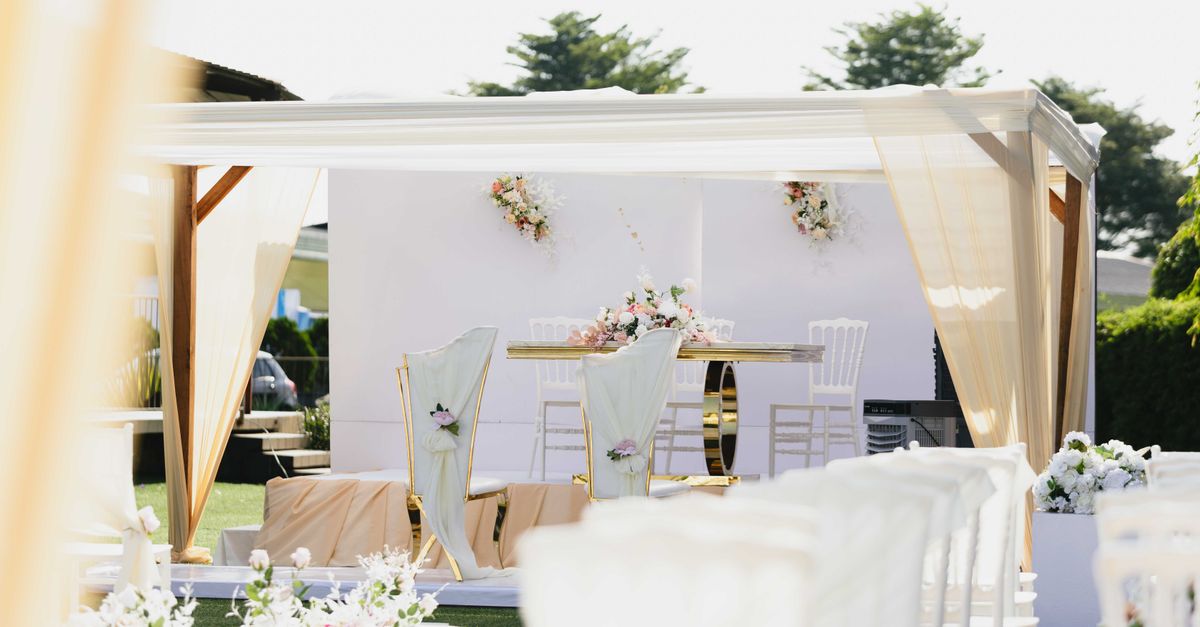
Planning a wedding is more than picking a dress or a venue; it’s about creating an atmosphere that reflects your style while staying practical. The right selection of wedding rentals and event lounge furniture can elevate the experience, keep costs in check, and streamline logistics.
1. Understanding the Scope of Wedding Rentals
Wedding rentals provide essential ambience without long‑term ownership. Typical categories include:
- Seating & Tables: Chairs, banquet tables, round tables, modular seating.
- Lounge Furniture: Sofas, ottomans, poufs, accent chairs, coffee tables for relaxed mingling.
- Lighting & Audio: LED uplights, string lights, chandeliers, speakers, microphones, PA systems.
- Decor & Props: Centerpieces, backdrops, signage, floral arrangements, drapery, thematic accessories.
- Outdoor Essentials: Tents, fire pits, heaters, lawn chairs, picnic tables, weatherproof covers.
Think of rentals as modular building blocks that can be mixed to fit your vision. Identify which items add true value and avoid purely decorative pieces that may not justify the cost.
2. Key Factors to Evaluate When Choosing Rentals
A thorough checklist helps narrow choices:
• Vendor Reputation and Reviews
- Read Google, Yelp, and wedding forums.
- Ask recent clients for references.
- Verify licensing and insurance.
Contact past clients directly to gauge professionalism and responsiveness.
• Quality & Condition of Equipment
- Inspect in person or request detailed photos.
- Confirm materials (solid wood vs. plywood, upholstery grade).
- Ask about maintenance routines and replacement policies.
Check for scratches, loose joints, and test lighting brightness. A “try before you buy” option can confirm condition.
• Flexibility & Customization Options
- Custom finishes or color choices?
- Bundle packages that fit your theme?
- Add‑on services like on‑site setup, delivery, pickup?
Some vendors offer matte vs. glossy table finishes and fabric options for lounge chairs.
• Delivery Logistics & Timeline
- Lead times: 2–4 weeks notice.
- Shipping windows; some vendors limit delivery days.
- Policies for late arrivals or cancellations.
Align schedules with venue restrictions, especially if the ceremony is at sunset and lighting needs early setup.
• Pricing Transparency and Hidden Fees
- Detailed quote separating rental, delivery, setup, cleanup.
- Damage deposits, cleaning fees, overtime charges.
- Total cost comparison for multiple events.
A clear breakdown reveals surcharges early—e.g., a $50 per hour late pickup fee could add quickly.
3. Versatile Party Equipment: Multipurpose Items That Save Space & Cost
Many pieces serve dual roles, ideal for day‑of use and future events:
- Sofa Sets with Pull‑out Beds: Lounge area that doubles as guest sleeping space.
- Modular Seating: Stackable chairs or benches converting into banquet tables.
- Laminated Tabletops: Durable surfaces for dinner service or cocktail reception.
- Multi‑Tiered Shelving Units: Display decor, serve drinks, store supplies.
Investing in versatile items yields ongoing value. A high‑density foam lounge chair can be reused at a graduation ceremony, turning a single purchase into multiple uses and reducing overall spend.
4. Event Lounge Furniture: Comfort Meets Aesthetics
The lounge area sets the tone for casual mingling and photo opportunities. Key considerations:
- Comfort Level: Cushioned seats with supportive backrests; avoid hard vinyl chairs.
- Style Cohesion: Match or complement your wedding theme (modern, rustic, vintage).
- Durability & Easy Maintenance: Waterproof upholstery for outdoor settings; easy‑to‑clean fabrics for indoor venues.
- Space Optimization: Low-profile pieces that don’t block pathways.
I found that mismatched lounge chairs with a shared coffee table created an inviting atmosphere. Guests appreciated the informal vibe, and moving the furniture post‑event was simple. Removable cushions let me swap fabrics mid‑week if my color palette shifted slightly after the venue visit.
For outdoor weddings, consider wind or uneven terrain; weighted bases or anchoring kits keep tables secure. In tight indoor spaces, low‑profile sofa sets tuck into corners without obstructing walkways.
5. Outdoor Wedding Supplies: Weatherproofing and Setup Essentials
Outdoor events face rain, wind, uneven ground, and lighting constraints. Essentials include:
- Tents & Canopies: Sturdy frames with UV‑protected fabric.
- Heaters & Fire Pits: For cool evenings; ensure ventilation and safety compliance.
- Lawn Chairs & Picnic Tables: Low‑profile seating that blends naturally.
- Portable Lighting: LED string lights, lanterns, uplights for post‑sunset ambience.
- Weatherproof Covers: Protect tables and chairs during sudden showers.
Outdoor rentals may require permits or additional insurance. Verify whether your vendor handles these logistics; otherwise coordinate separately. A large canopy might need a structural permit, while fire pits often need a temporary fire ban waiver.
Keep a backup plan for weather changes—a quick‑access tarp kit and inflatable heaters keep guests comfortable if temperatures dip. Some vendors offer rain‑check options that allow a one‑day delay at no extra cost.
6. Choosing a Reliable Event Rental Service
Ask before signing:
- Delivery and pickup protocol?
- Written contract with all terms?
- Backup plan for equipment failure or extreme weather?
- Handling of last‑minute changes?
- Cancellation policy and penalties?
If a vendor answers confidently, you’re on solid ground. Key takeaway: Transparent partners reduce stress by clarifying logistics, costs, and responsibilities upfront.
Request a copy of their insurance policy. It should cover liability for accidents or damage during the event, protecting both you and your guests.
7. Budgeting and Timeline Tips
Start with a clear cost breakdown:
- Rental Fees: Itemized list plus delivery.
- Setup/Teardown Labor: Estimated hours and wages.
- Insurance & Security Deposits: Often refundable—confirm terms.
- Miscellaneous Expenses: Cleaning fees, overtime charges, extra accessories.
Most vendors need 2–4 weeks notice. Use a spreadsheet to map milestones: booking, deposit, delivery, setup, event day, teardown, final invoice review. A visual timeline helps spot conflicts early.
Allocate a contingency of 5–10% for unforeseen costs like last‑minute décor changes or additional lighting needs.
8. Common Mistakes to Avoid
- Over‑booking: Too many items increase cost and complexity.
- Ignoring Delivery Constraints: Narrow entrances or uneven floors risk damage.
- Lack of Backup Plan: Weather, equipment failure, or vendor cancellation can derail the event.
- Not inspecting items before final acceptance—late discoveries lead to replacements.
Additional pitfalls:
- Underestimating Lighting Needs: Natural light alone may leave key areas dim; plan supplemental uplights early.
- Assuming all vendors offer the same delivery window—some only deliver weekdays, which could conflict with venue schedules.
- Forgetting power availability—confirm sufficient outlets or plan for a portable generator when renting sound equipment.
- Choosing items without checking color compatibility—subtle mismatches can appear jarring in photographs.
Addressing these proactively keeps the event on track and within budget.
9. My Personal Experience with Rental Companies
During my first large‑scale wedding project in 2023, I partnered with a local rental company offering bundled packages. Their staff delivered lounge furniture and lighting two days early, allowing on‑site layout testing. The flexible policy let me swap chairs for more comfortable options at no extra cost.
When an unexpected guest list increase demanded additional lounge chairs, the vendor offered a “same‑day add‑on” option for up to 10 pieces at a flat rate, avoiding overtime charges and keeping the schedule intact. A detailed maintenance checklist before the event helped our caterer prevent accidental spills on upholstered surfaces.
Early delivery, flexible add‑ons, and clear communication made all the difference in delivering an event that felt polished and personable.
10. Final Checklist Before You Book
- Confirm item specifications (material, dimensions).
- Verify delivery windows and setup times.
- Ensure adequate insurance coverage.
- Secure a written contract with all terms.
- Schedule a site visit if possible.
- Double‑check the final quote for hidden fees.
Add these extra steps:
- Color and Finish Matching: Take samples or photos of venue décor to ensure seamless integration.
- Electrical Requirements: Confirm power supply for audio/visual equipment, including backup options.
- Accessibility Checks: Position lounge furniture to allow easy movement for guests with mobility aids.
- Post‑Event Responsibilities: Clarify cleanup of spills or minor damages during the celebration.
This checklist ensures you’re fully prepared before signing on, providing peace of mind and a smoother execution.
What’s one rental item couples often overlook but can significantly enhance their wedding experience?


