
Tent rentals in Denver, CO
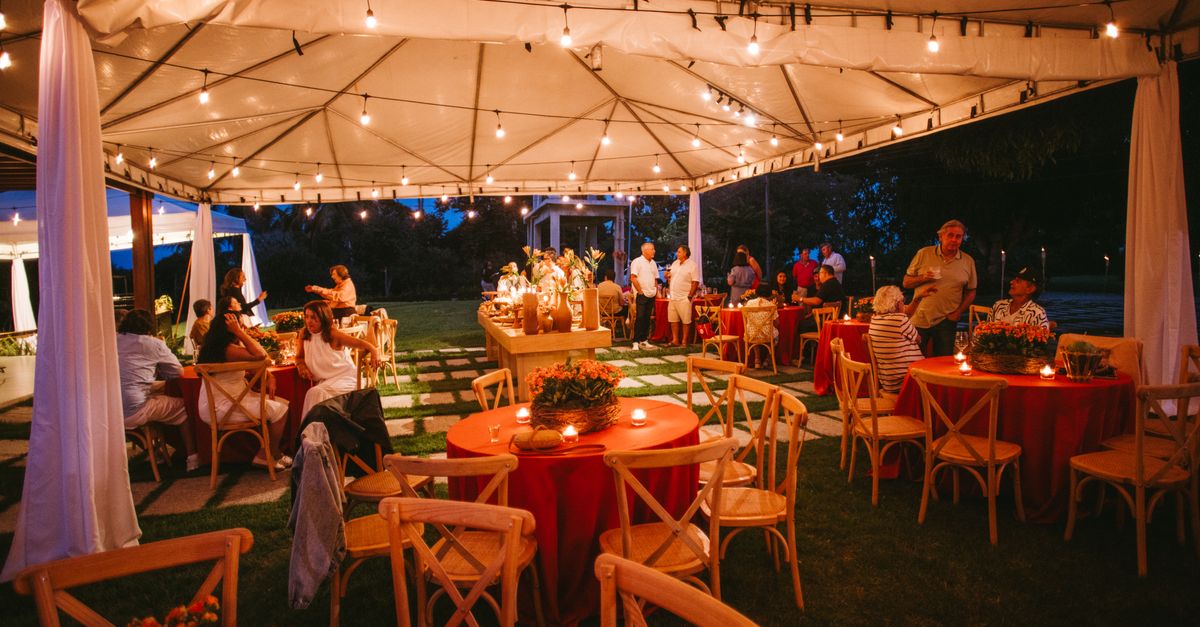
Planning a celebration in Denver and wondering how to keep guests comfortable while still looking polished? Tent rentals are the backbone of any successful outdoor event. They provide shelter, structure, and an instant upgrade to the ambiance without the overhead of building permanent infrastructure.
Why Tent Rentals Matter for Denver Events
Denver’s weather can swing from sunny to sudden rain in minutes. A tent offers a reliable solution that keeps your guests dry and your décor intact. Beyond protection, tents create a defined space that signals event importance, whether you’re hosting an anniversary or a corporate gathering.
Key benefits of choosing a tent
- Weather resilience: Protects against rain, wind, and intense sun.
- Space definition: Delimits the event area from surrounding scenery.
- Versatility: Supports lighting, furniture, and décor setups.
- Cost‑effective: Less expensive than renting a permanent venue for a single day.
- Scalability: From intimate gatherings to large festivals, tents come in various sizes.
Denver’s microclimate—high altitude, variable wind patterns, and occasional late‑season snow—means that an ill‑chosen tent can quickly become a liability. A well‑selected structure not only safeguards your guests but also enhances the overall experience by allowing you to control temperature, acoustics, and lighting in ways that are impossible outdoors.
In my experience, a properly sized tent can eliminate the need for multiple temporary structures and streamline logistics while giving an event a professional feel that rivals indoor venues.
Choosing the Right Size and Style for Your Denver Venue
The first decision is the tent’s footprint. Measure your event space—including tables, stages, and circulation paths—to determine the square footage needed. Over‑ or under‑estimating can lead to wasted money or cramped guests.
- Standard 10×20 ft tents are ideal for small dinner parties.
- Mid‑size 15×30 ft tents fit up to 50 guests comfortably.
- Large 20×40 ft or larger tents accommodate weddings, conferences, and festivals.
- Clear‑glass or screened options allow natural light while keeping insects out.
- Multi‑section tents can be modularized for flexible layouts.
I’ve seen vendors oversell the “big tent” myth; a well‑planned 15×30 ft setup often looks more elegant than an oversized, sparsely furnished 20×40 ft space. To illustrate, imagine hosting a cocktail reception with 60 guests. A 15×30 ft tent provides ample room for a central dance floor and side tables while leaving generous pathways for service staff—something that would be cramped in a larger tent if not properly staged.
Designing Your Event Layout Inside the Tent
Once you’ve selected the footprint, map out how your furniture and décor will fit. Create a rough sketch or use event‑planning software to visualize table placement, stage location, and circulation routes. Consider the following when drafting your layout:
- Centerpiece area: Position a focal point—such as a cake stand or dance floor—in the center to draw guests naturally.
- Service zones: Allocate space for catering stations, bar areas, and registration desks with clear access.
- Seating flow: Ensure chairs are spaced at least 48 inches apart for comfort while still allowing easy movement.
- Lighting pathways: Plan where lights will be hung to avoid obstructing guests or equipment.
Materials, Weather Considerations, and Safety Protocols in Denver
Denver’s altitude and variable climate mean your tent must withstand wind gusts, occasional snow flurries, and UV exposure. Inspect the frame material (steel vs aluminum), canopy fabric (vinyl vs canvas), and anchoring system.
- Frame: Steel offers durability for windy days; aluminum is lighter but may buckle under heavy load.
- Canopy: Heavy‑weight vinyl resists rain better than lighter canvas.
- Anchors: Ground stakes or weighted bases must secure the tent against Denver’s wind.
- Ventilation: Proper airflow prevents condensation inside.
- Accessibility: Ensure clear egress paths in case of emergency.
- Electrical safety: Use grounded power strips and keep cords away from wet areas.
- Insurance: Verify liability coverage for structural failures.
Logistics: Delivery, Setup, and Permits for Denver Events
The success of your tent rental hinges on smooth logistics. Coordinate delivery times with the venue’s operating hours to avoid conflicts.
- Delivery window: Plan a 3–4 hour slot for arrival and placement.
- Setup crew: Professional installers reduce risks and speed up assembly.
- Permits: Check local ordinances; some Denver parks require permits for temporary structures.
- Ground preparation: Level the site, clear debris, and lay a base layer if soil is uneven.
- Post‑event cleanup: Arrange removal of tent, debris, and any rented accessories.
Obtaining the correct permit can be a time-consuming process. Contact Denver’s Office of Environmental Quality or local park authorities at least 30 days before your event to submit plans, including tent dimensions, anchor locations, and safety measures. Keep a digital copy of the permit on hand during setup and ensure it is displayed near the entrance for quick reference by security personnel.
Cost Factors & Budgeting for Tent Rentals in Denver
Understanding the pricing components helps you avoid surprises. Typical charges include rental fee, delivery/deposit, setup labor, and optional extras like lighting or flooring.
- Rental fee: Base cost per day varies by size and material.
- Delivery & pickup: Usually a flat rate; extra miles add to the bill.
- Setup crew: Labor costs can range from $200–$500 depending on complexity.
- Optional accessories: Lighting, sidewalls, flooring, and heaters incur additional fees.
- Insurance & security deposit: Often 10–15% of the total rental cost.
- Seasonal rates: Peak summer months may see higher demand and prices.
Common Mistakes and How to Avoid Them
Even seasoned planners can slip into pitfalls that cost time and money. Address these proactively:
- Ignoring wind load: Denver can gust up to 60 mph; ensure anchoring meets local standards.
- Overcrowding: Too many guests in a small tent lead to discomfort and safety hazards.
- Neglecting permits: Failing to secure required permissions can result in fines or event cancellation.
- Skipping insurance checks: Verify that the vendor’s liability coverage protects your guests.
- Underestimating setup time: Allocate at least 2 hours for assembly and inspection.
Integrating Other Party Rentals with Your Tent in Denver
A tent is just one element of a cohesive event. Complement it with lighting, flooring, and décor to elevate the guest experience.
Styling Tips for a Cohesive Look
When choosing ancillary rentals, aim for a consistent color palette and material theme. For instance, pairing a tan canvas tent with wooden floor panels and amber uplighting creates an earthy, warm atmosphere perfect for fall celebrations. If you’re hosting a summer beach‑themed party, opt for a clear glass canopy, white vinyl sidewalls, and bright LED strip lighting to mimic oceanic vibes.
Functional Additions
Beyond aesthetics, consider practical rentals such as:
- Sidewalls or screens: Provide privacy and reduce wind infiltration.
- Portable heaters or fans: Keep guests comfortable regardless of temperature swings.
- Audio equipment: Ensure clear sound for speeches, music, and announcements.
Final Checklist Before Your Denver Tent Rental Arrives
Before the vendor delivers your tent, confirm these critical items to ensure a flawless setup.
- Site survey completed and approved.
- Permits secured and copies on hand.
- Delivery schedule aligned with event timeline.
- Setup crew credentials verified.
- Ground preparation finished (leveling, debris removal).
- Anchoring plan documented (stakes, weights).
- Lighting and electrical plans mapped out.
- Emergency exits clearly marked.
- Insurance documents reviewed.
- Vendor contact details stored for on‑site coordination.
- Communication plan: Assign a point of contact to manage any last‑minute changes during setup.
- Contingency budget: Set aside a small reserve for unforeseen expenses such as additional anchoring or extra labor hours.
With these steps in place, your tent rental will provide a dependable foundation for any Denver celebration. From intimate birthday parties to large corporate events, a well‑planned tent transforms outdoor spaces into polished venues.
What’s the biggest challenge you’ve faced when arranging tent rentals for a Denver event?


