
What Are the Key Factors When Renting Audio/Visual Equipment, Party Supplies, and Festival Gear in 2026?
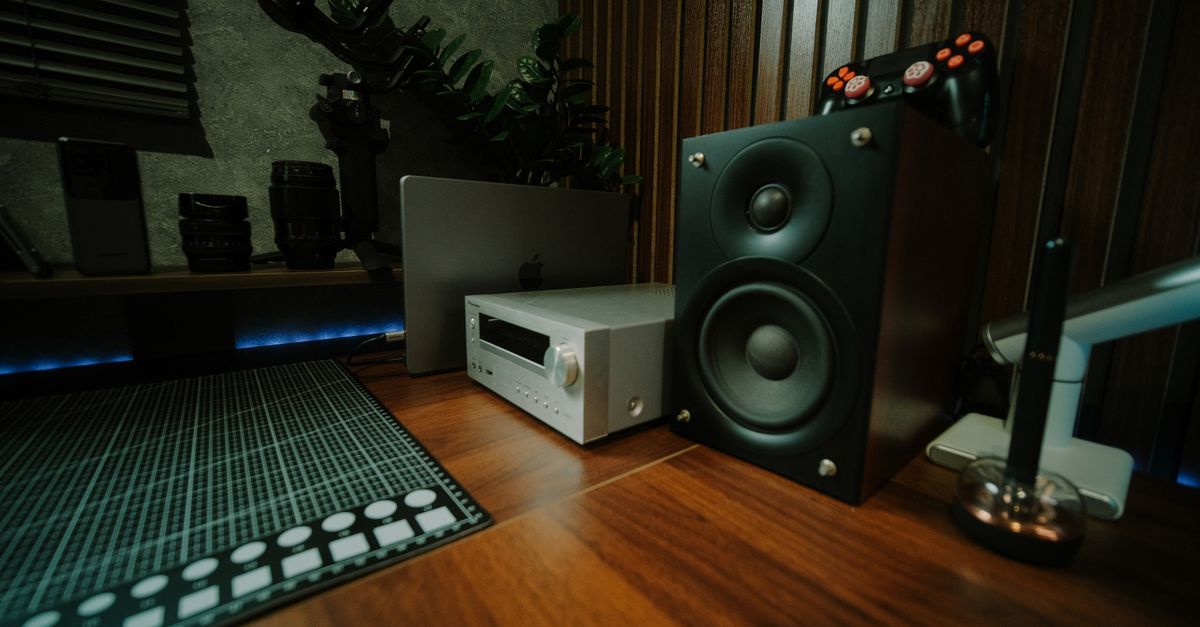
Planning an event—whether it’s a corporate presentation, a family reunion, or a full‑scale festival—requires careful selection of rental gear. In 2026 the market has grown more competitive, but that also means vendors offer greater flexibility, smarter pricing models, and advanced technology. I’ll walk you through what to look for when you’re hunting for audio and visual equipment rental, affordable party supplies, festival equipment rental, pipe and drape rentals, and family reunion rentals.
1. Overview of the Rental Market in 2026
The event‑equipment landscape has shifted toward modular, cloud‑controlled systems that reduce setup time and lower costs. Many vendors now bundle audio/visual gear with lighting, staging, or even virtual reality components. Pricing is tiered by delivery distance, rental duration, and technical support level. For parties and reunions, the focus is often on cost efficiency—hence the popularity of “affordable party supplies” packages that include tables, chairs, linens, and basic décor in a single shipment. Festivals benefit from bulk deals that cover large‑scale lighting rigs, sound reinforcement, and stage infrastructure.
2. Audio & Visual Equipment Rental
Audio/visual (AV) gear is the backbone of any professional event. When you’re considering AV rental, ask about system integration, on‑site support, and backup contingencies. Look for vendors that provide full‑stack solutions—microphones, mixers, speakers, projectors, and wireless controllers—all calibrated to work together out of the box.
Key Checklist for AV Rentals
- Technical specifications: wattage, frequency response, and connectivity options.
- On‑site support: presence of a qualified technician during setup and teardown.
- Backup equipment: spare microphones or speakers in case of failure.
- Delivery terms: same‑day delivery for last‑minute needs.
- Rental duration flexibility: hourly, daily, or multi‑event packages.
- Wireless capabilities: Bluetooth or RF mic options for mobility.
- Cable management: pre‑bundled cables and adapters to minimize clutter.
In my experience, the first time I rented a full‑stage rig for a 500‑person concert, the vendor’s willingness to pre‑configure the system on a test run saved me hours of troubleshooting. They also offered a live streaming add‑on that was essential for remote audiences—a feature that many older rental companies still overlook. When you opt for cloud‑controlled mixers, you can adjust levels from your tablet even after the event, which is invaluable for post‑production tweaks.
3. Party Supplies & Family Reunion Rentals
For family reunions and social gatherings, the goal is to create a welcoming atmosphere without breaking the bank. “Affordable party supplies” packages often include tables, chairs, linens, tableware, lighting, and basic décor items such as banners or signage. When you’re also hosting a reunion, consider adding portable restrooms, shade tents, or temporary fencing if space is limited.
Essential Items for Reunions
- Modular seating: stackable chairs that can be rearranged on the fly.
- Portable lighting: LED string lights and spotlights to set mood.
- Food service gear: disposable or reusable plates, cups, and cutlery.
- Decor kits: themed banners, balloons, or table centerpieces.
- Audio system: a compact PA unit for speeches and music.
- Eco‑friendly options: biodegradable utensils and recyclable linens.
I’ve seen families waste money on custom décor that never gets used. Instead, opt for versatile kits that can be repurposed year after year—especially if you’re planning multiple reunions over the next few years. A good rule of thumb is to choose neutral colors and simple shapes; they blend seamlessly with any theme and reduce storage space.
4. Festival Equipment Rental
Large festivals demand robust infrastructure: high‑power lighting rigs, sound reinforcement, stage platforms, and crowd control measures such as fencing or barriers. Vendors that specialize in festival equipment rental typically offer turnkey solutions, including site surveys, power calculations, and safety compliance checks.
Must‑Have Festival Gear
- High‑gain speaker arrays: for outdoor venues with wide sound coverage.
- LED lighting towers: programmable color palettes to match the event’s vibe.
- Modular stage systems: that can be assembled in minutes, reducing labor costs.
- Crowd control fencing and signage: clearly marked exits and safety zones.
- Backup generators: for power outages or remote locations.
- Environmental controls: rain covers, ventilation fans, and heat sinks.
In my experience, a festival that rented its equipment from a vendor who also handled on‑site logistics—like rigging and safety inspections—saved me both time and potential liability. The vendor’s crew had to be certified for electrical work, which was a relief during a last‑minute change in stage layout. Additionally, many modern generators now come with remote monitoring apps that alert you to fuel levels or overload conditions before they become critical.
5. Pipe & Drape Rentals
Pipe and drape systems are essential for creating controlled lighting environments, blocking sound, or simply adding visual interest to any event space. They’re especially useful for weddings, theater productions, or corporate trade shows where branding is critical.
Choosing Pipe & Drape Solutions
- Material quality: aluminum for lightweight rigging, steel for heavy loads.
- Drape fabric: polyester for durability, vinyl for waterproof needs.
- Mounting hardware compatibility: with existing structures or temporary frames.
- Ease of assembly: quick‑connect fittings reduce setup time.
- Color and texture options: to match event themes.
- Safety features: fire‑resistant coatings for indoor venues.
When I rented a pipe and drape system for a corporate gala, the vendor’s pre‑assembled frames meant we could focus on décor rather than wrestling with rigging. That efficiency translated directly into cost savings on labor. For large trade shows, using modular drapes also helps create distinct booth areas without the need for permanent walls.
6. Vendor Selection Criteria
Choosing the right rental partner is as important as selecting the gear itself. I follow a simple framework that balances price, reliability, and service quality. Below are the top questions to ask during your vendor evaluation:
Vendor Evaluation Questions
- On‑time delivery record: for events of similar size.
- Technical support availability: during the event, and at what cost?
- Insurance & liability coverage: how they protect against damage or loss.
- Flexibility to last‑minute changes: can they accommodate schedule shifts or cancellations?
- Payment terms: deposit requirements and refund policies.
- Contract clarity: does the agreement detail return conditions, penalties, and escalation procedures?
The key takeaway: A vendor’s ability to adapt quickly—whether that means delivering an extra speaker at 3 PM or swapping out a faulty lighting rig—often outweighs marginal cost differences.
7. Common Mistakes to Avoid
Even seasoned planners stumble over these pitfalls when renting equipment:
- Underestimating the need for backup gear, especially for critical components like microphones or generators.
- Ignoring the vendor’s maintenance and inspection schedule—old or poorly maintained equipment can fail during the event.
- Failing to confirm power requirements and load calculations; this can lead to overloading circuits.
- Overlooking delivery logistics, such as parking restrictions or loading dock access.
- Miscommunicating the event timeline, which can cause misaligned setups or delays.
- Neglecting local regulations—some municipalities require permits for large stages or amplified sound.
In my experience, a single overlooked detail—like a missing cable or an incompatible connector—can derail a whole presentation. Always review the equipment list in advance and double‑check specifications.
8. Timeline Planning for Rentals
Effective rental planning starts weeks before the event. Here’s a concise timeline to keep you on track:
- 12–10 weeks out: Identify vendors, request quotes, and lock in dates.
- 9–6 weeks out: Finalize equipment list, confirm delivery schedules, and arrange insurance.
- 5–2 weeks out: Conduct a site survey with the vendor if possible; adjust plans as needed.
- 1 week out: Confirm all details—delivery time, setup crew arrival, and teardown schedule.
- Day of event: Perform a quick walk‑through with the technical team to ensure everything is in place.
- Post‑event: Schedule a debrief with the vendor; review any damage or missed items for future reference.
Sticking to this timeline reduces last‑minute surprises and gives you breathing room to focus on attendee experience.
Conclusion
Whether you’re renting audio/visual gear, affordable party supplies, festival equipment, pipe and drape systems, or family reunion rentals, the core principles remain the same: clear communication, rigorous vendor vetting, and meticulous planning. By applying these guidelines, you’ll secure reliable equipment that fits your budget and delivers a flawless event.
What’s the most challenging aspect of coordinating multiple rental categories for a single event?


