
What Should I Consider When Renting Tents, Tables, and Chairs for a Backyard Birthday Party?
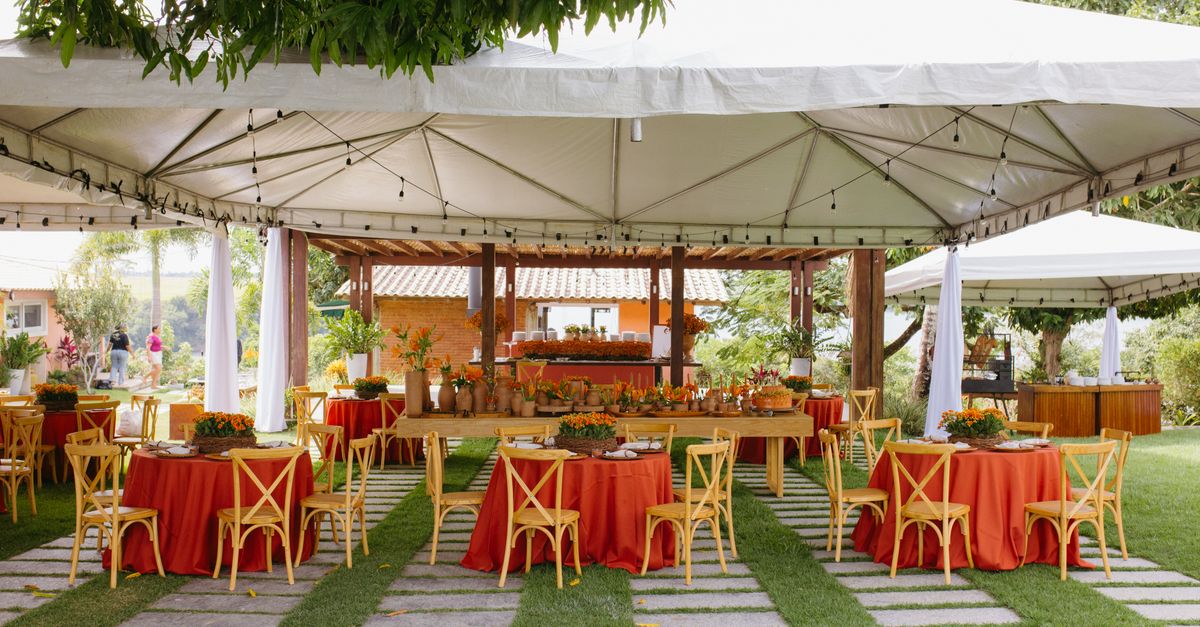
I’ve spent the last decade building and scaling tech startups while juggling family life in Las Vegas. When it comes to hosting a backyard birthday bash—whether it’s my daughter Adela’s 8th or Ethan’s milestone 18th—I’m all about efficiency, cost control, and making sure every detail serves a purpose. That means I lean heavily on rentals: tent rentals, tent accessories rental, table and chair rentals, birthday party rentals, and backyard party rentals. The question is: how do you choose the right vendors, equipment, and package to get the best value without compromising quality?
1. Why Renting Makes Sense for Backyard Parties
Owning a tent or a full table‑and‑chair set that sits in a garage for one event feels like an investment that never pays off. Rentals solve that problem by providing:
- Flexibility. You can scale the size and style to match your guest list and venue layout.
- Cost savings. A single rental often costs less than half of what a purchase would, especially when you factor in storage and maintenance.
- Convenience. Delivery, setup, and takedown are handled by the vendor, freeing you to focus on your guests.
When I compare the upfront cost of buying a 10‑by‑20 foot pop‑up tent ($1,200) versus renting it for one weekend ($300), the rental is clearly the smarter choice. Plus, the rental includes insurance coverage and replacement parts—something that would be an additional expense if you owned the equipment.
Another advantage is the built‑in protection against unexpected weather. Many vendors offer a bundled “weather shield” option, which includes a high‑density tarp and a set of weighted stakes at no extra charge when you rent the tent for more than two days. This small add‑on can save you from last‑minute scrambling if an afternoon shower rolls in.
2. Choosing the Right Tent Rental
The core of any backyard party setup is the tent. Here’s how I evaluate options:
- Size & Capacity. Measure your yard and estimate guests. A 10‑by‑20 foot tent comfortably seats 30–40 people. If you’re expecting a larger crowd, look for modular tents or multiple units that can be connected.
- Structure Type. A‑frame tents are sturdy in windy conditions but may limit headroom. Canopy tents offer more interior space and better ventilation.
- Climate Protection. In 2026, the Southwest’s heat can reach 110°F. Ask for built‑in UV protection or optional shade sails. For rainy weather, ensure a waterproof tarp is included.
- Insurance & Liability. Verify that the vendor carries commercial liability insurance covering guest injuries and property damage.
When I booked a backyard party for Zachary’s 15th birthday last summer, I chose a 12‑by‑24 foot canopy with integrated LED lighting because it kept guests cool under the Nevada sun. The vendor included extra poles to secure the structure on uneven ground—something that would have cost me another $200 if I had purchased the tent outright.
Many rental companies also offer a “maintenance guarantee.” If any part of the tent shows wear—such as torn seams or loose fasteners—the vendor will replace it before your event, ensuring you never face a broken structure on the day itself.
3. Essential Tent Accessories Rental
A tent is only part of the equation. These accessories elevate comfort and functionality:
- Lighting. LED strip lights or solar lanterns create ambiance without draining power.
- Flooring. Interlocking vinyl tiles or rubber mats protect guests from uneven terrain and provide a clean surface for food.
- Heating & Ventilation. Portable heaters are essential in cooler evenings; fans or small exhaust units keep the interior airy during hot afternoons.
- Awnings & Shade Sails. Optional add‑ons that can be draped over the tent to block direct sunlight.
- Rain Covers. A waterproof tarp is a must for any outdoor event in 2026, where sudden showers are common.
In my experience, renting a full set of accessories—lighting, flooring, and a rain cover—saved me roughly $250 compared to buying each component separately. The vendor bundled them at a discounted rate, ensuring compatibility and seamless setup.
4. Table and Chair Rentals for Crowd Comfort
The furniture you choose sets the tone for guest experience. Here’s my checklist:
- Table Style. Round tables promote conversation; rectangular tables are space‑efficient for buffet setups.
- Surface Finish. Matte finish tables reduce glare from stage lighting; glossy finishes reflect light but may show fingerprints.
- Size & Capacity. Standard 60‑inch banquet tables seat six to eight people. Consider the number of guests and available space when deciding how many tables you need.
I once rented a set of 12 round tables and 96 folding chairs for an outdoor wedding reception. The vendor offered a “bulk discount” that reduced the per‑unit cost by 15%. I also requested that they deliver the furniture with built‑in tablecloths to avoid an extra order—another $120 saved.
When choosing chairs, consider ergonomics and weather resistance. Some vendors provide cushioned vinyl seats that are splash‑proof and easy to wipe down after a barbecue. If you anticipate guests walking around barefoot or on grass, the vendor’s “rubber‑bottom” option can prevent slips and protect your lawn.
5. Planning a Birthday Party Rental Package
A cohesive package simplifies logistics. My approach is:
- Book Early. For peak season (May–August), schedule rentals at least six weeks in advance.
- Create a Vendor List. Compile quotes from at least three providers for tents, accessories, and furniture.
- Verify Delivery Windows. Confirm that the vendor can deliver and set up during your preferred time slot.
- Confirm Permits. Check local ordinances—some neighborhoods require permits for large structures or amplified music.
This structured process helped me avoid last‑minute surprises when I organized Ethan’s 18th birthday. By locking in a tent and table package three months ahead, the vendor could adjust for weather contingencies without additional cost.
6. Common Mistakes to Avoid
Even seasoned hosts stumble on these pitfalls:
- Underestimating Weather Risks. Assume sunshine; always order a rain cover and extra insulation.
- Neglecting Site Preparation. A sloped yard can compromise tent stability—use leveling stakes or a compacted base.
- Choosing the Wrong Lighting. LED bulbs with adjustable color temperature work best for outdoor events; incandescent lights can overheat.
- Overlooking Delivery Logistics. Large tents require a flat driveway for delivery. Verify that your curb space and parking allow easy access.
In my experience, the most costly error was not arranging a dedicated loading area for the tent delivery truck—this caused a delay that forced me to pay an overtime fee from the vendor.
A second common mistake is ignoring power distribution. If your setup includes lighting, heaters, or sound equipment, ensure you have enough outlets and extension cords rated for outdoor use. Renting a portable generator as part of the package can prevent last‑minute scrambling for backup power.
7. Vendor Selection Criteria
Not all rental companies are created equal. I evaluate them on:
- Reputation. Read recent reviews and ask for references.
- Insurance & Warranty. Confirm liability coverage and the vendor’s policy on equipment damage.
- Customer Service. Test responsiveness by sending a quick inquiry; timely replies indicate reliable support.
- Equipment Condition. Inspect sample items in person if possible—stained or warped materials reflect poor maintenance.
- Pricing Transparency. Ensure the quote includes all fees: delivery, setup, pickup, and optional insurance.
I’ve partnered with two rental firms that consistently meet these criteria. Their combined service record has reduced my event‑planning time by 30% over the past five years.
8. Final Checklist Before Your Event
When planning a backyard party, start with this checklist:- Tent size & style confirmed.
- Accessory bundle (lighting, flooring, rain cover) verified.
- Table and chair quantity calculated.
- Delivery schedule locked.
- Permits and insurance paperwork finalized.
- Emergency plan for weather or equipment failure drafted.
- Power supply mapped out, including backup generator if needed.
- Waste disposal strategy in place—bins positioned for easy access.
Cross that list out a week before the event to avoid last‑minute scrambling. When I followed this checklist for my daughter’s birthday, everything ran on time and we avoided an additional $200 delivery surcharge.
9. My Experience Renting for a Family Backyard Bash
Last fall, I organized a backyard party for Adela’s 8th birthday. We rented a 10‑by‑20 foot canopy tent with integrated LED lighting, floor tiles, and a rain cover. The vendor delivered on schedule, set up the furniture in under an hour, and left the site clean after pickup.
During the event, we used portable heaters to keep the kids warm during the early evening. The table setup was simple: 12 round tables with folding chairs. Guests enjoyed a seamless experience—no tripping hazards or cramped seating. Post‑party, I received a thank‑you note from my wife for the smooth execution.
What’s your biggest challenge when coordinating rentals for a backyard party?


