
What to Look For When Choosing Event Lounge Furniture and Specialty Party Rentals?
I’ve spent the last decade building systems that deliver results on time, whether that’s a software release or a party setup. When an event planner asks if they can trust a vendor for on‑time party deliveries, I answer with a checklist: reliability, inventory accuracy, and contingency plans. In this review, I’ll walk through the key factors that separate dependable providers from those who turn your celebration into a logistical nightmare.
Why On‑Time Deliveries Matter More Than Ever
In 2026, event budgets are tighter, timelines shorter, and expectations higher than ever. A missed delivery can cascade into venue penalties, client disappointment, and lost referrals. I’ve seen venues lose a booking because a custom lounge table arrived two days late. That’s why I always ask vendors for real‑time tracking data and proof of dispatch.
Delays are not just a scheduling inconvenience—they can trigger insurance claim disputes, alter vendor contract terms, and force last‑minute venue reconfigurations that compromise safety compliance. Understanding how a vendor mitigates these risks is as crucial as checking their delivery record.
On‑Time Delivery Checklist
- GPS or RFID shipment tracking with status updates sent to the client.
- Clear lead times for standard vs. custom items.
- Historical on‑time delivery percentages (ideally >95%).
- Backup logistics partners in case of carrier delays.
- Transparent penalties or compensation clauses for late arrivals.
If a vendor can’t provide these details, it’s a red flag. Remember, the cost of a delay often outweighs any savings from a lower rental rate.
Assessing Event Lounge Furniture Quality and Flexibility
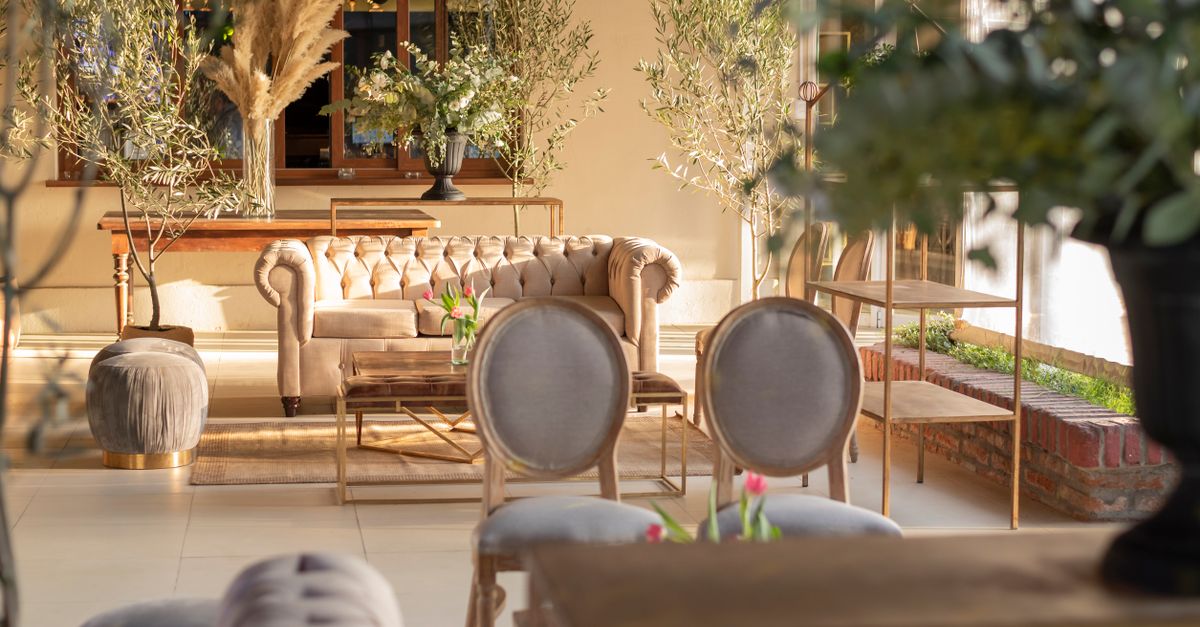
Lounge furniture sets the tone for an event’s atmosphere. Whether you’re staging a corporate gala or a wedding reception, the pieces need to be comfortable, durable, and visually appealing. I’ve tested dozens of lounge kits; the most successful ones offer modularity so they can adapt to different room shapes.
Key attributes to scrutinize:
Lounge Furniture Evaluation Factors
- Material construction: hardwood frames with high‑density foam cushions beat cheap composites.
- Weight and ease of assembly: heavier pieces often mean better stability, but they should still be manageable for a two‑person crew.
- Aesthetic versatility: neutral color palettes or customizable upholstery options.
- Warranty on structural components and cushion life (minimum 6 months).
- Compliance with fire safety codes, especially if used in venues with open fire pits.
In my experience, renting lounge furniture that can be reconfigured into a bar setup or a seating area saves both time and money during event preparation. It also reduces the risk of having to order additional pieces last minute.
Modularity shines when you need to shift from an intimate cocktail setting to a larger banquet layout on the same day; swapping out side tables for high‑back chairs or adding a lounge sofa can transform the flow without extra hauling costs.
The Value of Complete Party Solutions Providers
A “complete party solution” vendor bundles everything: décor, furniture, lighting, AV, and sometimes catering. The convenience is undeniable, but I’ve learned that quality can suffer if a single provider tries to do too much. My rule: verify each component’s expertise independently.
When comparing complete solutions:
Comparison Criteria for Full‑Service Vendors
- Specialization depth in each category (e.g., a lighting expert vs. a generalist).
- Client testimonials that reference specific event types.
- Portfolio diversity: can they handle both intimate and large‑scale events?
- Flexibility to customize the package or drop unused services.
- After‑event support, such as clean‑up coordination and damage assessment.
If a vendor offers “everything” but you only need furniture and flooring, you’ll likely pay extra for services you never use. I’ve seen this happen with a boutique event house that added a premium AV package to every contract, inflating the final bill without adding value.
Performing a quick cost‑benefit analysis—comparing a bundled rate against individual quotes—often reveals hidden savings and allows you to negotiate more favorable terms based on actual needs.
Choosing the Right Event Flooring Rental
Flooring sets the foundation—literally—for any event. Whether you need carpet for a ballroom or interlocking planks for an outdoor festival, the right material can prevent accidents and elevate aesthetics.
Consider these factors:
Event Flooring Selection Guide
- Surface type: hardwood, vinyl plank, cork, or specialty rubber mats.
- Slip resistance rating, especially in wet or high‑traffic areas.
- Load capacity for heavy equipment (lighting rigs, stages).
- Installation time and crew requirements.
- Reusability and durability over multiple events.
I’ve worked with a flooring supplier that offered a modular interlocking system. It allowed us to set up a temporary dance floor in an outdoor venue within two hours, saving the client from hiring a separate contractor.
A recent wedding took place on a rainy day; the vendor’s rubber matting prevented slippery conditions while still giving a polished look under the string lights—an example of how material choice can mitigate weather risks without compromising style.
Specialty Party Rentals That Make Events Memorable
Beyond standard furniture and flooring, specialty rentals—think themed props, unique lighting rigs, or interactive installations—can set your event apart. However, they also introduce complexity in delivery and setup.
When vetting specialty items:
Specialty Rental Checklist
- Clear demonstration of safety certifications (e.g., electrical compliance for lighting).
- Availability of spare parts or backup units.
- Detailed usage guidelines to avoid damage.
- Return policies that account for wear and tear.
- Vendor’s track record with similar event sizes and themes.
In one case, a wedding couple rented a vintage carousel. The vendor provided an onsite technician who handled the set‑up, ensuring the carousel stayed in pristine condition throughout the night—a perfect example of how proper support can make specialty rentals worthwhile.
Coordinating crew training for complex props—like kinetic sculptures or laser shows—ensures that setup runs smoothly and safety protocols are followed, preventing costly mishaps on the day.
Common Mistakes and How to Avoid Them
Even seasoned planners fall into pitfalls that inflate costs or delay events. I’ve compiled a list of frequent errors and practical fixes based on my own experience in logistics optimization.
Top 5 Planning Errors & Fixes
- Mismatched Delivery Schedules: Align vendor shipping windows with your venue’s opening hours.
- Ignoring Weight Limits: Verify that the rental company can transport heavy pieces without extra fees.
- Underestimating Setup Time: Allocate at least 30% more time than the vendor estimates for complex furniture.
- Skipping Inspections: Conduct a walk‑through before final payment to catch defects early.
- Lack of Contingency Plans: Have backup vendors or in‑house crew ready for last‑minute changes.
If you address these points proactively, you’ll reduce the risk of costly overruns and ensure a smooth event experience.
The single most critical factor for any party rental is an unbroken chain from order to delivery; every other element can be adjusted once the timing lock is secure.In my experience, building a reliable vendor network is as much about data as it is about trust. I track each supplier’s on‑time performance and keep a spreadsheet of their past projects. When a new event comes up, I consult that log before committing.
One additional tip: schedule a brief pre‑delivery call with the logistics manager to confirm final details—address, contact person, and any venue restrictions—so there are no surprises when the truck pulls into the lot.
What has been your biggest challenge when coordinating multiple party rental vendors for a single event?


