
Which is Better for Your Event: Chandelier Rentals or Other Premium Party Equipment?
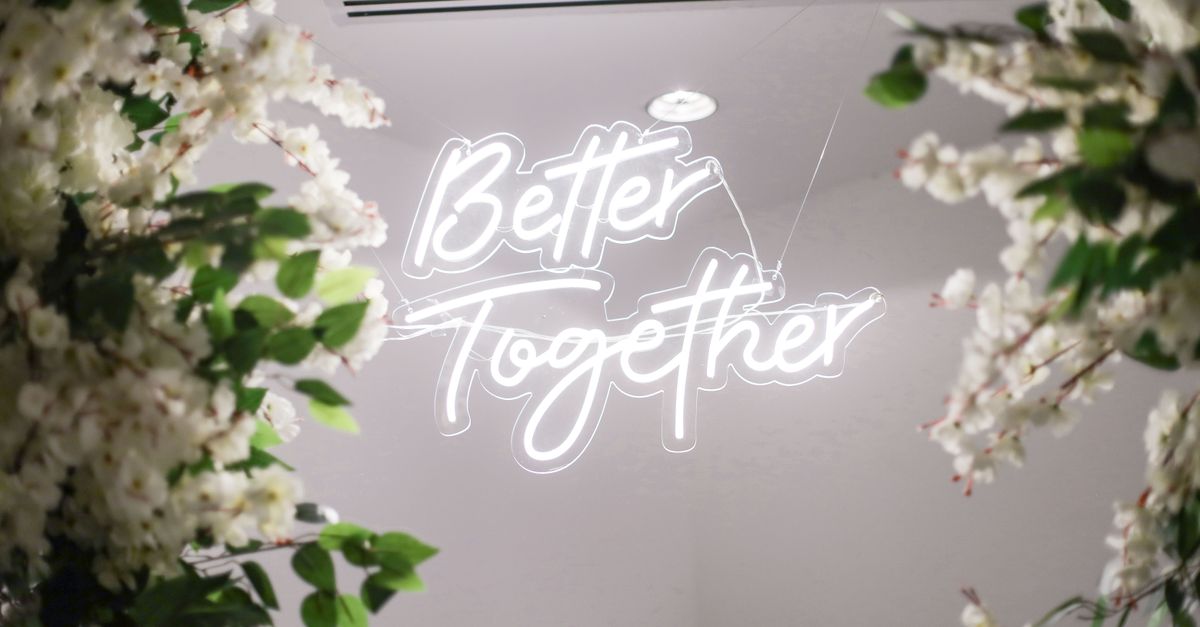
I’ve spent the last decade helping event planners choose the right gear to elevate their parties. In 2026, the market offers a dizzying array of options—event chandeliers, photo booth rentals, specialty equipment, and versatile party gear that can do it all. The question isn’t whether you need premium rentals; it’s which type delivers the best value for your specific event.
Planning Your Rental Timeline
Securing the right equipment starts long before the venue is booked. A structured timeline helps avoid last‑minute scrambles:
- 12–10 weeks out: Define event theme, guest count, and key visual goals.
- 10–8 weeks out: Research vendors, request samples or demos, and compare pricing tiers.
- 8–6 weeks out: Confirm availability, finalize contracts, and schedule delivery dates.
- 4–2 weeks out: Conduct a site survey with the vendor’s rigging team to assess ceiling height and power capacity.
- 1 week out: Review final layout plans, confirm insurance coverage, and coordinate setup logistics with venue staff.
Rental Landscape Overview in 2026
The rental industry has evolved from simple décor to high‑tech, multi‑purpose solutions. You’ll find four main categories:
Key Rental Categories
- Event chandeliers – dramatic lighting and architectural statement pieces.
- Photo booth rentals – interactive stations for guest engagement.
- Specialty party rentals – unique items like fog machines, dance floors, or themed props.
- Versatile equipment – modular furniture, lighting rigs, and multi‑use platforms that can be reconfigured on the fly.
Many vendors now bundle several types into a single package to simplify logistics. These bundles often include basic lighting kits, backdrop panels, and optional branding overlays, allowing planners to customize without juggling multiple contacts.
The Emotional Impact of Lighting
A chandelier is more than an ornament; it’s a focal point that sets tone and can transform the space. When selecting one, consider:
What to Evaluate in a Chandelier Rental
- Size & weight – ensure it fits your venue’s ceiling height and floor load limits.
- Lighting type – LED for energy efficiency, or incandescent for warmer hues.
- Color temperature – adjustable bulbs allow mood shifts during the event.
- Installation ease – some models come with quick‑attach hardware; others require professional rigging.
Photo Booths vs. Chandeliers: Engagement vs Atmosphere
If you’re debating between an interactive photo booth and a dramatic chandelier, think about what drives your event’s success. Photo booths boost engagement and generate social media buzz, whereas chandeliers create ambience that enhances every other element.
Pros & Cons Comparison
- Photo Booths: • High guest interaction • Instant photo sharing • Brand customization options
• Requires space & power outlets • Can be noisy during operation - Chandeliers: • Visual impact • Flexible lighting control • Works with any décor theme
• Installation can be complex • Limited direct guest interaction
Choosing Based on Guest Profile
The makeup of your audience often dictates which rental will resonate most. For a youthful, tech‑savvy crowd, a photo booth with augmented reality filters may become the event’s centerpiece. Conversely, a corporate gathering of seasoned professionals might prioritize sophisticated lighting that underscores brand prestige.
Premium vs. Specialty Rentals: Scope & Scale
Premium party rentals typically refer to high‑end, luxury items that elevate an event’s prestige—think crystal chandeliers or custom lighting rigs. Specialty rentals are niche pieces tailored for specific themes or experiences.
Examples of Each Category
- Premium: Crystal chandelier, 5‑star lighting system, marble bar carts.
- Specialty: Themed prop sets (e.g., medieval armor), fog machines, interactive projection walls.
How to Match Rental Scale with Event Size
Choosing the right scale ensures that your investment feels proportionate. A massive chandelier in a small boutique venue can feel overwhelming, while an oversized photo booth at a sprawling outdoor festival may dominate the space and reduce usable floor area.
- Venue size: Measure ceiling height and square footage to guide equipment dimensions.
- Guest count: Larger crowds often benefit from multiple interactive stations or layered lighting setups.
- Thematic intensity: High‑concept themes may justify premium, eye‑catching pieces even in modest spaces.
Versatile Equipment & Hybrid Solutions
Hybrid setups combine multiple rental types into one modular system. A chandelier‑mounted LED panel can double as a backdrop for photo booths, while adjustable lighting rigs accommodate both dramatic and interactive needs.
Benefits of Modular Rentals
- Reduced inventory – fewer items to transport.
- Flexibility – reconfigure mid‑event if the flow changes.
- Cost efficiency – shared infrastructure cuts overall spend.
- Simplified staffing – one crew handles multiple functions.
Hybrid Example in Practice
At a recent product launch, the planner installed a lightweight LED chandelier that also housed a high‑definition screen. The same unit projected branding videos during cocktail hour and then shifted to spotlight mode for the keynote presentation, eliminating the need for separate lighting rigs.
Understanding the Full Cost Equation
Rental prices are often quoted as a flat rate, but several hidden factors can swell the bill:
- Delivery distance: Vendors charge per mile beyond a certain radius.
- Installation complexity: Professional rigging, especially for high‑center chandeliers, can add labor costs.
- Insurance & liability coverage: High‑value items may require additional premium policies.
- Power consumption: Venues with limited capacity might need generators or power upgrades.
- Late return penalties: Strict deadlines can trigger steep fees if equipment is returned late.
Insurance and Liability Considerations
Even with robust contracts, unforeseen incidents can occur. Ensure that the vendor’s insurance covers:
- Property damage: Covers accidental harm to the venue or rented items.
- Third‑party injury: Protects against guest injuries during setup or use.
- Equipment loss: Some vendors offer coverage if items are misplaced or stolen.
Request a copy of the policy before signing. In many cases, you may also need to purchase supplemental insurance based on your event’s risk profile.
Avoiding Common Pitfalls When Renting
Even with careful planning, several pitfalls can derail an event:
Common Mistakes to Avoid
- Skipping a site survey – leads to mismatched lighting or structural issues.
- Assuming all vendors provide the same quality – verify brand reputation and maintenance records.
- Overlooking power requirements – ensure outlets are available and safely wired.
- Neglecting weather contingencies for outdoor rentals.
- Failing to secure proper insurance coverage.
Vendor Selection Checklist for 2026 Events
Selecting a reputable vendor is critical. Use this checklist to evaluate potential partners:
Questions to Ask Each Vendor
- What are your lead times and cancellation policies?
- Can you provide references or case studies from similar events?
- Do you offer customization options for branding?
- Is professional rigging included, or is it an extra cost?
- How do you handle unexpected technical issues during the event?
Negotiating Terms and Contracts
A well‑drafted contract protects both parties. Highlight key clauses:
- Delivery and pickup windows: Define exact times to avoid overtime fees.
- Condition of return: Specify acceptable wear and tear limits.
- Force majeure: Clarify responsibilities if weather or other events force cancellations.
- Payment schedule: Break down deposit, balance due dates, and any refundable deposits.
I’ve seen venues overpay for rentals that didn’t match their space or theme. By understanding the differences between chandeliers, photo booths, specialty gear, and versatile equipment—and by scrutinizing costs and vendor reliability—you can make an informed choice that elevates your event without breaking the bank.
What is the most critical factor you consider when choosing a rental for your next event?


